The Many Faces of Film. Austin Polish Film Festival 2026.
Polish cinema in its many forms, conversations with filmmakers, an exhibition of posters for Andrzej Wajda’s films, and a closing piano concert — these are the highlights of the 21st Austin Polish Film Festival, which this year celebrates the 250th anniversary of the United States.

*
Joanna Sokołowska-Gwizdka
When Tadeusz Kościuszko arrived in America in 1776, the young republic’s independence was still a promise that had to be fought for. Two and a half centuries later, his story will return to the screen in Austin, opening a broader exploration of Polish contributions to American life and world culture. This year’s Austin Polish Film Festival will spotlight people whose knowledge, talent, and imagination transcended borders, languages, and generations.
The festival’s 21st edition will take place November 5–8 and 15, 2026. Feature films and documentaries, a poster exhibition, conversations with guests, and a closing concert will weave together a multifaceted story of Polish-American ties. The main film events will be held at AFS Cinema, 6259 Middle Fiskville Road in Austin.
*
Gala: From Kościuszko to Picasso
The gala on Friday, November 6, beginning at 6:30 p.m. with a reception featuring Polish cuisine, will include Alex Storozynski’s documentary about Tadeusz Kościuszko. The Polish military engineer arrived in Philadelphia in August 1776, just weeks after the adoption of the Declaration of Independence. His expertise in fortifications helped the Americans secure victory at Saratoga; he was later entrusted with fortifying West Point. A hero of the American Revolutionary War and later the leader of an uprising in Poland, Kościuszko linked the destinies of both nations through his life’s work.
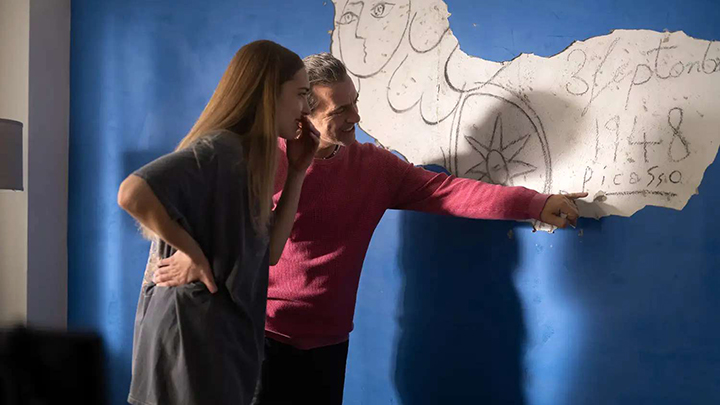
The gala will also feature Janusz Zaorski’s Picasso’s Mermaid, a comic tale inspired by a true episode from Pablo Picasso’s visit to postwar Warsaw. A mermaid drawn on an apartment wall sets the stage for an extraordinary encounter between great art and everyday life. After the screening, audiences will join the director for a conversation about the film, its inspirations, and finding humor in unexpected situations.
*
Wajda: A Polish Experience, a Universal Language
Andrzej Wajda will hold a special place in the program as we celebrate the centenary of his birth this year. Rooted in Polish history, literature, and painting, his cinema spoke to audiences around the world. Through his characters’ lives, he explored difficult choices, the tension between dreams and reality, and individual responsibility in the face of history. On March 26, 2000, he received an honorary Oscar in recognition of five decades of extraordinary film direction.
The festival’s opening evening will be dedicated to Wajda. On Thursday, November 5, an exhibition of posters for his films will open at 6:30 p.m., followed by a screening of The Promised Land at 7:30 p.m. The posters will offer a fresh perspective on his work through the imagination of artists who translated its dramatic intensity into metaphor, symbol, and color.
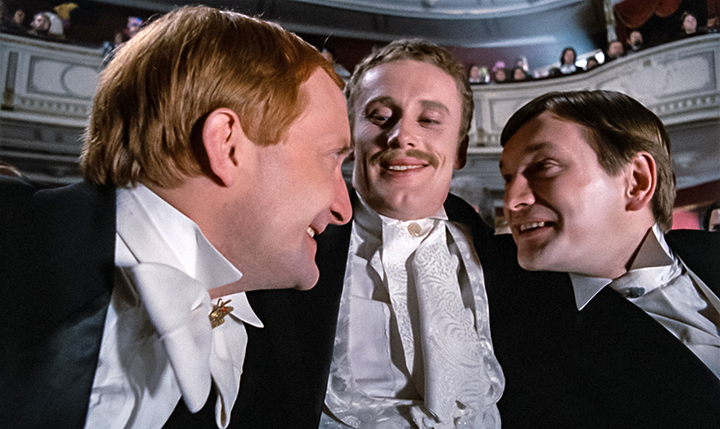
This adaptation of Władysław Reymont’s novel will transport audiences to nineteenth-century Łódź — a city of factory chimneys, burgeoning fortunes, and ambitions that come at a steep price. The sweeping scope and painterly power of The Promised Land remain captivating, while its questions about the limits of compromise and the cost of success continue to resonate.
*
Literature Through the Lens of Cinema
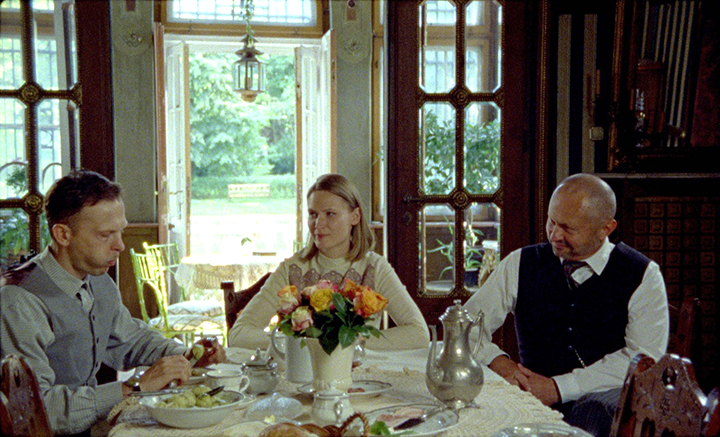
Literary worlds will also come to life in The Doll, directed by Maciej Kawalski, and The Assistant by Anka and Wilhelm Sasnal, an adaptation of Robert Walser’s novel. Alongside the works of Prus and Reymont, the Swiss writer’s story will offer another perspective on individuals caught up in social hierarchies, financial dependencies, and the desire to change their fortunes.
The Sasnals’ film will also introduce audiences to a creative duo whose work brings together literature, painting, and cinema. Wilhelm, one of Poland’s most internationally recognized contemporary painters, brings a visual artist’s sensibility to their filmmaking; Anka, a director and screenwriter with a background in Polish literary studies, helps shape their distinctive cinematic language. The connection between the arts is particularly close here: paintings Sasnal created for The Assistant were also exhibited at the Stedelijk Museum in Amsterdam. After the screening, audiences will have the opportunity to speak with Piotr Trojan, who plays the title role.
*
From History to the Present
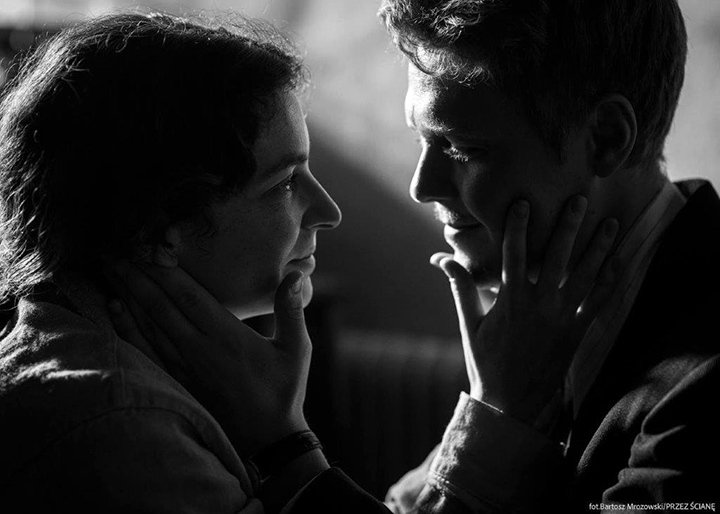
Among the historical films, a highlight will be Through the Wall by Maciej Sobieszczański, winner of the Golden Lions at this year’s Polish Film Festival in Gdynia. Inspired by the true experiences of prisoners during the Stalinist era, the film explores the strength of a bond forged in a world of violence and isolation.
Broadening this historical perspective is Covenant of Blood: The Last Soldiers of World War II by Patrick Ney and Stefan Tompson, a documentary about Poland’s anti-communist underground resistance. Both films remind us that the end of the war did not mean freedom for everyone. Stefan Tompson will travel to Austin to meet with audiences after the screening.
Meanwhile, Altar Boys, There Are No Ghosts on Dobra Street, and Memories of Insignificance will turn our attention to social tensions, family relationships, and the search for meaning. In these films, seriousness meets humor, rebellion encounters helplessness, and the longing for closeness confronts the difficulty of connecting with others. This is cinema that leaves room for viewers’ own emotions and questions.
*
The Wojcicki Family: Silicon Valley’s Polish Roots
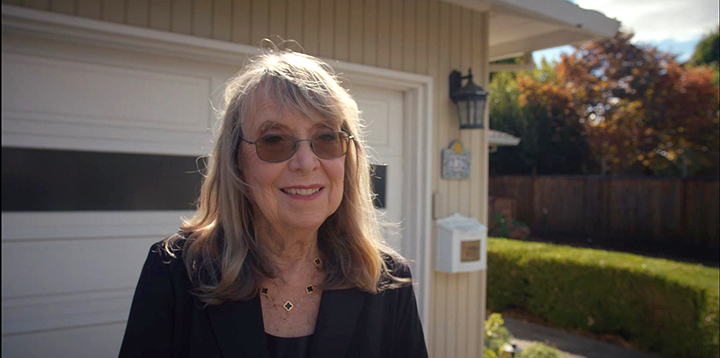
On Saturday, November 7, at 2:30 p.m., we will screen The Godmother of Silicon Valley — a documentary about Esther Wojcicki, a teacher who helped generations of students develop independence, creativity, and the courage to think for themselves.
Polish experiences resonate deeply within this American story. Esther’s husband, Stanley Wojcicki, born Stanisław Jerzy Wójcicki, was a distinguished physicist, professor, and chair of Stanford University’s physics department. As a boy, he fled communist Poland with his mother and brother, reaching the United States via Sweden. His father remained in Poland, where he was imprisoned for political reasons.
Esther and Stanley’s three daughters made their mark in different fields: Susan helped build Google’s success and led YouTube for many years; Anne co-founded the genetic testing company 23andMe; and Janet devoted her career to anthropology, epidemiology, and research into children’s health. Their family’s story weaves the experience of immigration together with a belief in education and the ability to shape one’s own future.
Esther Wojcicki and the film’s directors, Łukasz Bernaś and Maciej Kawecki, will attend the festival. The post-screening conversation will explore the less visible foundations of success: trust, curiosity, and the everyday work of helping others grow.
*
The Drewnowskis, Bernstein, and Music Beyond Borders — the Festival’s Closing Concert
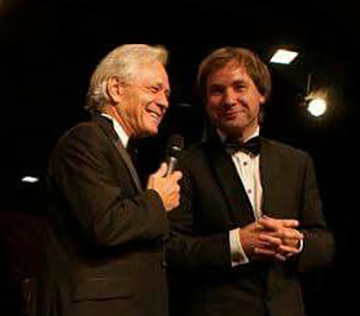
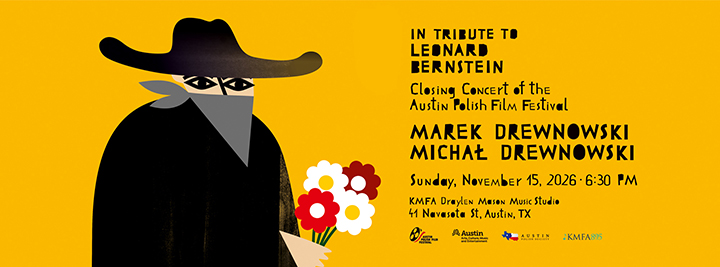
This year’s festival will conclude with In Tribute to Leonard Bernstein. On November 15 at 6:30 p.m., pianists Marek and Michał Drewnowski will perform at KMFA 89.5 Classical’s Draylen Mason Music Studio, 41 Navasota Street. The evening will bring together Polish and American music with Marek Drewnowski’s personal account of his collaboration with the legendary conductor and composer.
In 1985, Marek Drewnowski performed Brahms’s Piano Concerto No. 1 with the Boston Symphony Orchestra under Bernstein’s baton at Tanglewood. During the evening in Austin, his recollections, accompanied by archival photographs, will offer audiences a glimpse behind the scenes of working with one of the twentieth century’s greatest musicians.
The joint appearance of Marek and Michał Drewnowski will also make the concert a dialogue between generations. Father and son will each present their own interpretations before joining one another at the piano for a four-hand finale. The evening will bring the festival’s central theme full circle, recalling how Polish and American paths intersect through art, leaving a lasting impression on musicians and listeners alike.
From Kościuszko to Wajda, from great literature to contemporary challenges, from a family screening to an evening of music — this year’s festival promises something for audiences with a wide range of interests and sensibilities. There will be time for laughter, emotion, and reflection, and above all for conversations that will continue long after the screenings end.
The festival is organized by the Austin Polish Society. For the full program and ticket information, visit austinpolishfilm.com.
See also: