A Telegram from Bernstein

How did the extraordinary encounter between Polish pianist Marek Drewnowski and legendary American conductor Leonard Bernstein come about? How does Drewnowski remember working with the maestro and performing Brahms’s Piano Concerto No. 1 under his baton at Tanglewood? Marek Drewnowski shares the story of this remarkable artistic experience, which marked a significant moment in his international career, in an interview with Agata Kwiecińska.

We are publishing this interview on the occasion of the concert “In Tribute to Leonard Bernstein,” which will take place on November 15, 2026, at KMFA’s Draylen Mason Music Studio in Austin, marking the conclusion of the 21st Austin Polish Film Festival.
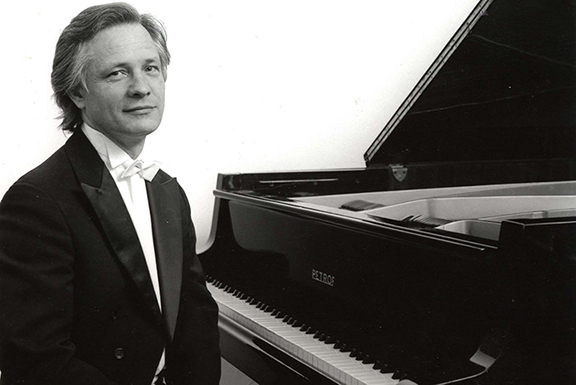

Marek Drewnowski. Photo from Marek Drewnowski’s private archive.

Agata Kwiecińska: The story of your encounter with Leonard Bernstein is almost unbelievable. Bernstein happens to hear your interpretation of Scarlatti’s sonatas on the radio, and…

Marek Drewnowski: It’s a long story. I was in Italy when martial law was declared in Poland. My wife was working with the Orchestra of the Accademia Nazionale di Santa Cecilia in Rome. Five days before martial law was imposed, at practically the last possible moment, we left Poland with our son Michał.

By then, I had already recorded several albums, including a collection of Scarlatti sonatas released by Polskie Nagrania “Muza” in 1974, which Piotr Wierzbicki had encouraged me to record. Despite that, I had to start from scratch in Rome. Our early years in Italy were very difficult, especially because martial law made communication with Poland impossible.

I had no contacts, no connections, and, of course, no work. It was only after a few years that I began performing in public. I made some Italian friends, the family of Fernando Martinelli, who helped me enormously. They found me a few students and later organized masterclasses as well. At the time, I was playing Brahms, less Chopin (as he was less popular in the land of opera back then), and, of course, Scarlatti.

I gradually developed my musical career in Italy, and little by little, the country became my second homeland. We had neither the courage nor any reason to return to Poland.

Several years passed. Our daughter Marta was born in Rome, I was giving more concerts, and we moved apartments several times. Eventually, Father Boniecki helped us find an apartment in the city center, in the San Giovanni in Laterano neighborhood. Rome is a wonderful city, but also a difficult and dynamic one, with traffico—heavy traffic—and a great deal of noise. Our new apartment was pleasant, centrally located, and close enough to the Colosseum to walk there.

One day, the postman handed me a telegram. Astonished, uncertain, and curious, I opened it and found a message from PAGART that read: Please contact us, as Leonard Bernstein would like to get in touch with you.

My head was spinning with disbelief, joy, and doubt. I thought it was a joke. I wondered who could possibly be playing such a trick on me. Once I had calmed down, I began investigating, calling friends and acquaintances, trying to find the culprit. But nobody admitted to anything. Finally, I contacted PAGART, and it turned out to be true.

What did you know about Bernstein at the time?

I knew he was one of the greatest conductors in the world. I had attended his concerts in Italy. I particularly remember a concert at the Vatican with the Orchestra of Santa Cecilia.

What did you learn from PAGART?

They gave me the phone number of Bernstein’s secretary, Harry Kraut. I called and introduced myself. Kraut was clearly delighted and told me that Leonard Bernstein was determined to meet me. We arranged a date. He said Bernstein would soon be in Milan and that I should come to La Scala. I was so overwhelmed that I couldn’t sleep for several nights.

How did all this come about? How had Bernstein discovered you?

At that point, I still knew nothing. I simply bought a ticket to Milan. La Scala was presenting Bernstein’s short opera Trouble in Tahiti. He wasn’t even conducting; he had just come to attend the performance.

I had arranged to meet Harry Kraut outside La Scala. I was carrying a small suitcase and wearing a short-sleeved shirt because it was very warm. I stood outside for quite a while, but nobody came to meet me. Eventually, I approached a man standing in front of the theater and asked where the artists’ entrance was.

It turned out to be Harry Kraut himself, who had been waiting for me. When he saw me, he exclaimed in astonishment, “But you were supposed to be a professor with a gray beard!”

He was genuinely amazed. Once he had recovered from his surprise, he took me inside the theater. Bernstein was standing near the entrance to the stage. A rehearsal of his opera was about to begin, but he called for a break. He, too, was surprised and immediately began telling everyone about my Scarlatti recordings. There was quite a commotion.

Then Bernstein took me by the arm and ushered me into a camerino, a dressing room, where there was a piano. He immediately told me to play.

I turned around and was terrified. A crowd of curious people had gathered behind me. I played several Scarlatti sonatas, ending with a virtuosic one in G major. I must have made an impression on that unexpected audience because they burst into applause and cries of admiration.

But Bernstein himself left me speechless when he took my hand and kissed it. I thought I was going to faint from the excitement.

Later, I remember it perfectly, I was performing Mussorgsky’s Pictures at an Exhibition, accompanied by Kandinsky’s paintings, in Berlin. It was winter, probably around Christmas. There was snow on the streets.

That was where I received a phone call from Kraut telling me that the maestro wanted to perform one of Brahms’s piano concertos with me, whichever I preferred. With the Boston Symphony Orchestra, conducted by Bernstein himself!

I suggested Piano Concerto No. 1 in D minor, but then realized I couldn’t even remember how it began.

When Harry Kraut asked whether I had ever performed the concerto before, I said yes. In a way, I was lying, because I had only played it with a student orchestra.

You had about six months, which is quite a lot of time, even to learn a completely unfamiliar piece.

I returned to Rome and immediately went to a music store to buy the score, feeling extremely stressed. It was quite a funny situation. And before I left for Boston, the director of La Scala invited me to give a recital.

So that informal audition with Bernstein produced some tangible results.

Yes, and in other ways, too. Taking advantage of my acquaintance with the director, I asked him to invite me to a Horowitz recital. And I got to hear him perform.

I also wanted to get an autograph for my friend, the journalist Jan Weber. In the same camerino where I had met Bernstein, I found some large photographs of Horowitz. I asked for an autograph, but I wasn’t allowed to approach him.

His secretary took the photograph and arranged to meet me another day at the Hotel Principe di Savoia. But Horowitz refused to sign it, saying that he wasn’t abbastanza bello (handsome enough) in the photographs.

Did you manage to perform Brahms’s Piano Concerto No. 1 before leaving for the United States?

No, not at all. I had no opportunity to do so. In Italy, I was still considered a newcomer to the concert scene.

What was your journey to Tanglewood like?

It was quite an adventure! I didn’t speak the language, had never been there before, and had no idea how to organize the trip.
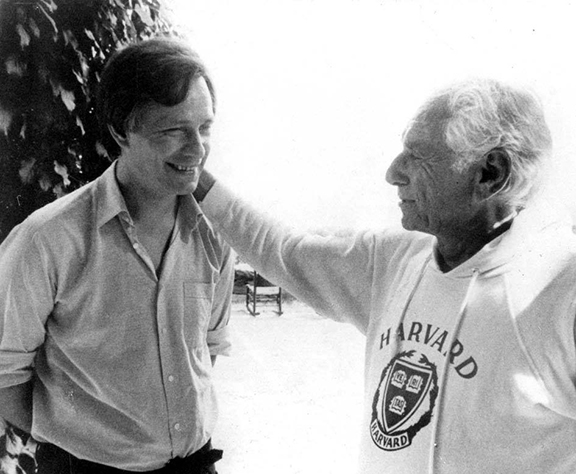
Marek Drewnowski and Leonard Bernstein. Photo from Marek Drewnowski’s private archive.

And what language did you speak with Bernstein, since you didn’t speak English?

Italian. But returning to my trip, through various connections, I managed to arrange a place to stay for a few days with a theater director in New York. Before that, I had flown with several connections, including one through Belgrade. Eventually, I took a bus from New York to Tanglewood. When I got off the bus, there were no taxis or any other means of transportation. In the end, some… cowboy gave me a ride for five dollars.

Once I arrived, I was accommodated in a hotel, but I still couldn’t sleep. Kraut found me and told me when the rehearsal would take place. He also assigned me an assistant who spoke Italian.

I went to the rehearsal with a lump in my throat. I was supposed to play the Brahms concerto with a second piano standing in for the orchestra. A select audience began gathering in the rehearsal room: a few curious orchestral musicians, then a woman who entered with an extremely serious expression, followed by an assistant carrying a small towel, and finally Kraut with the baton. It was quite a ritual!

At last, Bernstein himself appeared, and we began to play. My anxiety disappeared. The rehearsal was very enjoyable because the maestro offered some interesting advice.

What kind of advice did he give you?

It was about emotions.

How many rehearsals did you have?

One with the piano and another with the orchestra. That was all.

I remember being driven to the concert. The concert hall at Tanglewood is enormous. I can still recall the feeling as we approached the venue and suddenly I heard a roar, as if we were approaching a stadium. There were 12,000 people in the audience, and the concert was being broadcast live.
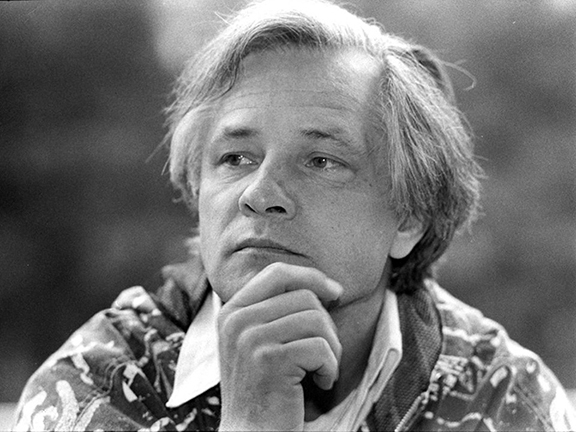
Marek Drewnowski. Photo from Marek Drewnowski’s private archive.

How did you feel about your performance? Do you remember much of the concert itself?

At first, I was still warming up, and I played a few wrong notes. But as the concert progressed, things got better, and the finale was definitely the best part. I must admit that I remember absolutely nothing of what happened after the concert. I was completely exhausted. But Bernstein was pleased. He said it had gone well.

Later, listening to the recording, and now looking back after all these years, I can hear a certain generational difference in our performance. I was bursting with youthful energy, while he was trying to restrain it, to hold me back. My tempos were completely different, but I was the one who had to adapt. There was a certain tension between us musically, which I only came to understand many years later, when I began conducting myself.

Did you ever perform at Tanglewood again?

No, but Bernstein invited me to perform at a concert commemorating the anniversary of the outbreak of World War II, held at the Grand Theatre in Warsaw in 1989. I played Chopin’s Polonaise in A-flat major.

I regret that Bernstein died so soon after that meeting. I lost my mentor. He taught me more than anyone else, even though he never gave me formal lessons.

What did he teach you? After all, you didn’t meet that many times.

He invited me to his concerts in Europe, so we saw each other from time to time. There were always social gatherings afterward, with Bernstein at the center of everyone’s attention.

I learned from him how to work with an orchestra and how to build the structure of a musical work. During the rehearsal at Tanglewood, he also conducted Brahms’s Symphony No. 1. The orchestra seemed literally to soar. There was an extraordinary combination of emotion and intellect.

Meeting him was also a lesson in psychology for me: how to withstand pressure and how to defend my own artistic vision.

How did Bernstein discover you in the first place?

One morning, Bernstein woke up, turned on the radio, and heard Scarlatti’s sonatas. They were my recordings from a vinyl LP released by Polskie Nagrania. He was intrigued by the performance, and his curiosity grew when the radio station failed to announce the pianist’s name.

He called the station, but the staff told him they hadn’t broadcast any Scarlatti sonatas; they weren’t on the program. Bernstein became irritated because he knew perfectly well what he had heard. He insisted on finding out who the performer was.

After several days, the New York radio station finally found the answer. It turned out that there had been a gap in the schedule after a broadcast, so someone had reached for my record to fill it. Perhaps it had simply been lying on top of a pile.

But how did your record end up at a radio station in New York?

I have no idea. We never managed to find out. It was an unbelievable twist of fate. Nobody could pronounce my name; nobody had ever heard of Drewnowski. Bernstein instructed his assistant to track down the musician whose interpretation of Scarlatti had intrigued him so much.

It shows just how much music meant to him, and how attentively he listened. He could have performed with the world’s greatest soloists, yet he decided to seek out someone whose interpretation had captivated him. Remarkable.

He was an extraordinary man, especially during rehearsals. Sometimes he would say to the orchestra, „I love you all.”

I once saw someone bring a small child to a rehearsal. Bernstein picked the child up, hugged him, made him laugh, and then lay down with him on the floor, right in the middle of the stage.

He did an incredible amount for young musicians and helped launch the careers of many outstanding artists.

He was a man who truly lived for music, who craved it. The fact that he was listening so attentively to the radio at ten in the morning shows that he needed music every moment of his life. Like an addict.

He was a man who loved. He loved the world, music, and people. He loved unconditionally.

I miss him…

Agata Kwiecińska’s interview, titled “The American Dream,” was originally published in Ruch Muzyczny, issue 11/2018.

Reprinted with permission from the editorial team and the author.


Telegram od Bernsteina

Jak doszło do niezwykłego spotkania polskiego pianisty Marka Drewnowskiego z legendarnym amerykańskim dyrygentem Leonardem Bernsteinem? Jak wspomina współpracę z mistrzem i wykonanie I Koncertu fortepianowego Brahmsa pod jego batutą w Tanglewood? O tym wyjątkowym doświadczeniu artystycznym, które stało się ważnym momentem w jego międzynarodowej karierze, Marek Drewnowski opowiada w rozmowie z Agatą Kwiecińską.

Wywiad publikujemy z okazji koncertu „In Tribute to Leonard Bernstein”, który odbędzie się 15 listopada 2026 roku w KMFA Draylen Mason Music Studio w Austin, na zakończenie 21. Austin Polish Film Festival.


Marek Drewnowski, fot. arch. pianisty

Agata Kwiecińska: Historia pańskiego spotkania z Leonardem Bernsteinem jest nieprawdopodobna. Leonard Bernstein przez przypadek słyszy pańską interpretację sonat Scarlattiego w radiu i….

Marek Drewnowski: To długa historia. Stan wojenny zastał mnie we Włoszech. Moja żona pracowała w Orkiestrze Św. Cecylii w Rzymie. Pięć dni przed stanem wojennym, czyli w ostatnim momencie, wylecieliśmy z Polski wraz z synem Michałem. Wówczas miałem już na swoim koncie kilka płyt, w tym album z sonatami Scarlattiego wydany przez Polskie Nagrania „Muza” w 1974 roku, do nagrania którego namówił mnie Piotr Wierzbicki. Mimo tego w Rzymie zaczynałem od zera. Początek pobytu we Włoszech był bardzo trudny, zwłaszcza, że stan wojenny uniemożliwiał nam łączność z krajem.
Nie miałem żadnych kontaktów, znajomości i oczywiście pracy. Dopiero po kilku latach zacząłem grywać publicznie. Znalazłem włoskich przyjaciół, rodzinę Fernanda Martinelli, którzy bardzo mi pomogli. Znaleźli kilku uczniów, później organizowali też kursy mistrzowskie. Grałem wtedy Brahmsa, Chopina mniej (bo w kraju opery był wówczas mniej popularny) i oczywiście Scarlattiego. Swoją aktywność we Włoszech rozwijałem stopniowo i powoli Italia stawała się moją drugą ojczyzną. Nie mieliśmy wtedy odwagi i powodu by wracać do Polski.

Minęło kilka lat, w Rzymie urodziła się moja córka Marta, koncertów przybywało, kilkakrotnie zmienialiśmy mieszkania. Wreszcie ksiądz Boniecki pomógł nam w znalezieniu mieszkania w centrum, w dzielnicy San Giovanni di Laterano. Rzym jest wspaniałym, a jednocześnie trudnym i dynamicznym miastem, z problemami „trafico” czyli wielkim ruchem ulicznym i dużym hałasem. Nowe mieszkanie było sympatyczne, w centrum i blisko Koloseum, do którego dochodziło się spacerkiem.

Pewnego dnia listonosz wręczył mi telegram, zdumiony, niepewny i zaciekawiony otwieram i widzę, wiadomość z PAGARTU o następującej treści: Proszę się z nami skontaktować, bo Leonard Bernstein chciałby nawiązać z panem kontakt. Zakręciło mi się w głowie, niedowierzanie, radość i wątpliwości. Myślałem, że to żart. Zastanawiałem się, kto mi wykręcił taki numer. Ochłonąłem i zacząłem prowadzić śledztwo, dzwonić do przyjaciół i znajomych. Szukałem winnych, ale nikt się nie przyznawał. Więc wreszcie skontaktowałem się z PAGARTEM i okazało się, że to prawda.

Co pan wtedy wiedział o Bernsteinie?

Wiedziałem, że to jeden z największych dyrygentów świata. Chodziłem na jego koncerty we Włoszech. Pamiętam między innymi koncert w Watykanie z Orkiestrą św. Cecylii.

Czego się pan dowiedział od PAGARTU?

Podali mi telefon do sekretarza Bernsteina, Harrego Krauta, więc zadzwoniłem i powiedziałem kim jestem. Kraut wyraźnie się ucieszył i powiedział, ze Leonard Bernstein jest zdeterminowany, aby mnie poznać i ustaliliśmy datę spotkania. Powiedział, że Bernstein będzie niebawem w Mediolanie i mam się wtedy pojawić w La Scali. Z wrażenia nie spałem kilka nocy.

A skąd się wziął ten pomysł? Jak Bernstein wpadł na pański trop?

Wtedy jeszcze nic nie wiedziałem. Po prostu kupiłem bilet do Mediolanu.W La Scali wystawiano wtedy krótką operę Trouble in Tahiti Bernsteina. On nawet nie dyrygował. Po prostu przyjechał na to wykonanie. Umówiłem się z Harrym Krautem przed La Scalą. Miałem małą walizeczkę i koszulkę z krótkim rękawem, bo było bardzo ciepło. Stałem przed La Scalą jakiś czas, ale nikt po mnie nie przychodził, więc podszedłem do mężczyzny stojącego przed teatrem i zapytałem o wejście dla artystów. Okazało się, że to właśnie Harry Kraut, który na mnie czekał. Zobaczył mnie i krzyknął zaskoczony: Przecież miał pan być profesorem z siwą brodą!

Był naprawdę zdumiony, i kiedy ochłonął, zaprowadził mnie do teatru. Bernstein stał w przejściu na scenę, za moment miała się rozpocząć próba jego opery, ale zrobił przerwę. Również był zaskoczony, zaczął opowiadać wszystkim o moim Scarlattim, zrobił się szum, a Bernstein wziął mnie za ramię i wepchnął do „camerino”, gdzie stało pianino i natychmiast kazał mi grać. Obejrzałem się za siebie i przeraziłem. Stał za mną tłum zaciekawionych ludzi. Zagrałem kilka sonat Scarlattiego, z wirtuozowską G-dur na końcu. Na tej przypadkowej publiczności musiałem zrobić wrażenie, bo odezwały się oklaski i okrzyki uznania. A sam Bernstein wprawił mnie w osłupienie, gdyż ujął moją rękę i pocałował. Myślałem, że zemdleję z wrażenia.

Później, pamietam to doskonale, grałem spektakl z Obrazkami z wystawy Musorgskiego z obrazami Kandinskiego w Berlinie. Pamiętam, że to była zima, chyba w okolicy Świąt Bożego Narodzenia. Śnieg na ulicach. I tam właśnie odebrałem telefon od Krauta z informacją, że mistrz chciałby ze mną zagrać któryś z koncertów Brahmsa do wyboru. Z Orkiestrą Bostońską i Bernsteinem!!! Zaproponowałem I Koncert fortepianowy d-moll, ale uświadomiłem sobie, że nawet nie pamiętam jak on się zaczyna. Ale gdy Harry Kraut mnie pytał, czy grałem wcześniej ten koncert odpowiedziałem, że tak. I w sumie skłamałem, bo grałem go tylko z orkiestrą szkolną.

Miał pan jakieś pół roku, to w sumie sporo czasu, nawet by opanować całkiem nieznany utwór.

Wróciłem do Rzymu, szybko poszedłem do księgarni muzycznej po nuty, w ogromnym stresie. Dosyć śmieszna historia. A jeszcze zanim pojechałem do Bostonu, dyrektor La Scali zaprosił mnie na recital.

Czyli nieformalne przesłuchanie przed Bernsteinem dało wymierne efekty.

Tak. Także innego rodzaju. Korzystając ze znajomosci z dyrektorem, poprosiłem, żeby mnie zaprosił na recital Horowitza. I mogłem go usłyszeć. Chciałem też zdobyć autograf dla redaktora Jana Webera, mojego przyjaciela. W tym samym „camerino”, w którym spotkałem się z Bernsteinem znalazłem duże fotografie Horwitza. Poprosiłem o autograf, ale nie dopuszczono mnie do niego. Jego sekretarz wziął fotografię i umówił się ze mną innego dnia w hotelu Principe de Savoia. Ale Horowitz odmówił podpisania, mówiąc, że na fotografiach nie jest „abastanza bello” (wystarczająco piękny).

A udało się zagrać ten I Koncert fortepianowy Brahmsa przed wyjazdem do Stanów?

Nie, skąd. Nie miałem na to szans. We Włoszech wciąż miałem status debiutanta.

Jak wyglądała podróż do Tanglewood?

To była wyprawa! Nie znałem języka, nigdy wcześniej tam nie bylem, więc nie miałem pojęcia jak to wszystko zorganizować.

Marek Drewnowski z Leonardem Bernsteinem, fot. arch. pianisty

A z Bernsteinem w jakim języku się pan porozumiewał, skoro nie po angielsku?

Po włosku. Ale wracając do wyjazdu, korzystając z rożnych znajomosci udało mi się załatwić na kilka dni nocleg u jakiegoś reżysera teatralnego w Nowym Jorku. Wcześniej leciałem z kilkoma przesiadkami, m.in. przez Belgrad. W końcu z Nowego Jorku autobusem pojechałem do Tanglewood. Wysiadłem z autobusu, ale nie było ani taksówki ani żadnego środka transportu. W końcu za 5 dolarów dowiózł mnie jakiś… kowboj.

Na miejscu zostałem już zakwaterowany w hotelu, ale i tak nie mogłem spać. Odnalazł mnie Kraut i poinformował, kiedy odbędzie się próba. Przydzielił mi też pilota, który mówił po włosku. Na próbę poszedłem ze ściśniętym gardłem. Miałem grać Brahmsa z drugim fortepianem. W sali prób zaczęła się pojawiać wyselekcjonowana publiczność, kilku zaciekawionych muzyków orkiestrowych, potem z niezwykle poważną miną wkroczyła jakaś pani, później asystent z ręczniczkiem, następnie Kraut z batutą – to był cały rytuał! W końcu zjawił się sam Bernstein i zaczęliśmy grać. Skończył się mój stres. Próba była bardzo przyjemna, bo maestro dawał ciekawe rady.

Jakiego rodzaju były to uwagi?

Dotyczyły emocji.

Ile było prób?

Jedna z fortepianem, a druga z orkiestrą. To wszystko.

Pamiętam moment, kiedy już wieźli mnie na koncert, ta hala koncertowa w Tanglewood jest ogromna. Do dziś pamiętam to wrażenie, kiedy zbliżaliśmy się do tego miejsca i nagle usłyszałem szum, jakby to był stadion. Było 12 tysięcy ludzi i transmisja na żywo.

Marek Drewnowski, fot. arch. pianisty

Jak się panu grało? Pamięta pan coś z przebiegu tego koncertu?

Na początku trochę się jeszcze rozgrywałem, było kilka fałszywych nut, ale im dalej, tym było lepiej, a finał zdecydowanie najlepszy. Muszę przyznać, że tego, co było po koncercie zupełnie nie pamiętam. Byłem jak zbity pies. Ale Bernstein był zadowolony. Mówił, że było dobrze.

Potem po przesłuchaniu taśmy i teraz z perspektywy tych wszystkich lat, które minęły, widzę, że słychać w tym nagraniu pewną różnicę pokoleniową. Mnie rozpierała energia, młodość, a on to wszystko powściągał, hamował mnie. Moje tempa były zupełnie inne, ale to ja musiałem się dopasować. Był to pewien konflikt, który zrozumiałem po wielu latach, kiedy sam zacząłem dyrygować.

Potem już nie grał pan więcej w Tanglewood?

Nie, ale Bernstein zaprosił mnie na koncert z okazji rocznicy wybuchu II wojny światowej w Warszawie, w Teatrze Wielkim w 1989 roku. Grałem Poloneza As-dur. Żałuję, że tak niedługo po tym spotkaniu, Bernstein zmarł. Straciłem swojego mistrza. Nauczył mnie najwiecej, mimo że nie dawał mi lekcji.

Czego? W sumie nie spotkali się panowie wiele razy.

Zapraszał mnie na swoje europejskie koncerty, widywaliśmy się. Zawsze potem były rożne spotkania towarzyskie. A on w centrum zainteresowania wszystkich. Nauczyłem się od niego współpracy z orkiestra, budowania konstrukcji utworu. Podczas próby w Tanglewood dyrygował też I Symfonią Brahmsa. Orkiestra dosłownie fruwała i były w tym niesamowite emocje, a jednocześnie intelekt. Spotkanie z nim było też dla mnie nauką psychologii, jak wytrzymać presję, jak bronić swojej wizji.

Jak to się stało, że trafił na pana ślad?

Bernstein obudził się rano, włączył radio i usłyszał sonaty Scarlattiego. To były moje sonaty z czarnej płyty Polskich Nagrań. Nagranie go zaintrygowało, a ciekawość i zainteresowanie wzmógł fakt, że nie podali nazwiska wykonawcy. Zadzwonił do radia, ale w redakcji powiedzieli mu, że nie nadawali sonat Scarlattiego, nie było ich w programie. Bernstein się zdenerwował, bo przecież wyraźnie słyszał. Uparł się, że musi poznać nazwisko wykonawcy. Po kilku dniach redakcja radia nowojorskiego znalazła odpowiedź. Okazało się, że po jakiejś transmisji była dziura i sięgnęli po moją płytę. Może leżała na wierzchu.

A skąd ona się wzięła w Nowym Jorku w radiu?

Nie mam pojęcia. Tego nie udało się ustalić, to nieprawdopodobne zrządzenie losu. Nikt nie umiał wymówić mojego nazwiska, nikt nie znał Drewnowskiego. Bernstein zlecił swojemu asystentowi odszukanie muzyka, który grał Scarlattiego w taki sposób, że go zaintrygował.

To pokazuje jak bardzo zależało mu na muzyce. Jak wnikliwie jej słuchał. Mógł przecież występować z największymi solistami, a postanowił odszukać kogoś, kto go zachwycił swoją interpretacją. Wspaniałe.

To był człowiek, który na próbach był nadzwyczajny. Zdarzało mu się powiedzieć do orkiestry: ja was wszystkich kocham. Widziałem też kiedyś, jak ktoś przyszedł z małym dzieckiem na próbę, on wziął malucha na ręce, przytulił, rozbawił i położył się z nim na podłodze, na środku estrady.

Niesamowicie dużo zrobił dla młodych muzyków, wypromował wielu znakomitych artystów. To był człowiek, który naprawdę żył muzyką, pożądał jej. Skoro o 10.00 rano słuchał radia tak uważnie, to znaczy, że w każdej chwili potrzebował muzyki. Jak narkoman. To był człowiek, który kochał. Kochał świat, muzykę i ludzi. Kochał bezinteresownie. Brakuje mi go…

Wywiad Agaty Kwiecińskiej pt. „Amerykański sen” ukazał się w Ruchu Muzycznym 11/2018 r.

Przedruk za zgodą redakcji i autorki.


Andrzej Wajda – A Man of Empathy

Joanna Sokołowska-Gwizdka in conversation with Omar Sangare, actor, director, professor at Williams College in Massachusetts, and founder of New York’s United Solo Festival.

Andrzej Wajda was first a legend of Polish cinema to him, then a professor, a mentor, and ultimately a friend. Their relationship began at the Theatre Academy in Warsaw and endured for many years, even after Omar Sangare moved to the United States. What remains are handwritten letters, memories, and a lasting lesson in attentiveness to others.

On the centenary of Andrzej Wajda’s birth, and on the occasion of the 21st Austin Polish Film Festival, we explore a lesser-known side of the director and the enduring relevance of The Promised Land.


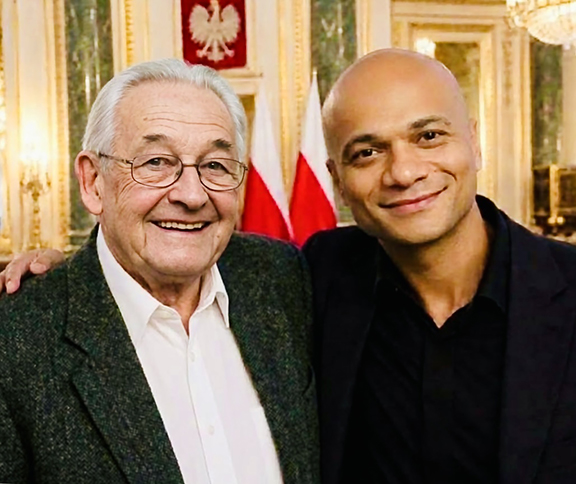
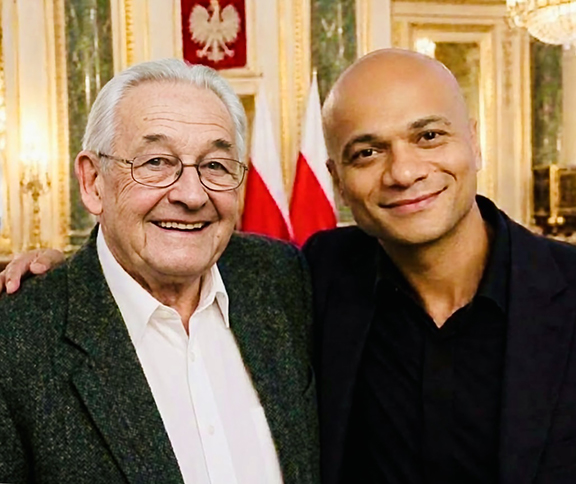
Andrzej Wajda and Omar Sangare. Photo courtesy of Omar Sangare’s private archive.

Joanna Sokołowska-Gwizdka: You described Andrzej Wajda as “a man of empathy.” Was that a deliberate reference to Man of Marble?

Omar Sangare: Yes, absolutely. Andrzej Wajda was deeply devoted to people. He had the ability to recognize an individual in the midst of a crowd, with all their dreams, frustrations, ambitions, and personal stories. For me, this was an extraordinary experience and a profound lesson: among millions of people and countless concerns, we must sharpen our vision to see the individual.

This applies not only to artistic work, developing a character, or preparing to perform before a camera or on stage, but also to everyday life.

How did your relationship begin?

I was a third-year student at the Theatre Academy in Warsaw. I learned that Professor Wajda had asked the directing students to find me and invite me to his classes.

We were working on Strindberg’s Miss Julie. Andrzej Wajda offered me the role of Jean. These were classes for young directors. The way he treated actors, communicated with them, and created an environment in which they could work demonstrated that, for him, the human being always came first.

Later, he offered you the role of Othello.

After graduating, we met again. This time, Andrzej Wajda approached me not as a professor, but as a director. He asked whether I would be interested in playing Othello at one of Warsaw’s theaters.

We talked about Shakespeare, about the individual’s distinctiveness in relation to society, and about the need to protect one’s individuality from the pressures of the world around us. These were themes very close to Wajda’s heart.

Andrzej Wajda then wrote to Stanisław Barańczak, who was translating Shakespeare’s plays, asking him to translate Othello. Barańczak undertook the task. I received a letter from him along with a typescript of the newly completed translation. He explained that it had been prepared at Andrzej Wajda’s request, as Wajda was deeply interested in our theatrical project.

To this day, I have kept that copy, Barańczak’s letter, and many letters from Andrzej Wajda. They are like sacred relics to me, reminding me of how much I have been given in life.

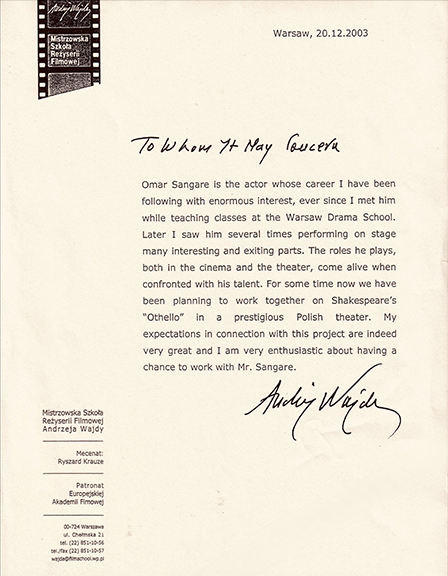
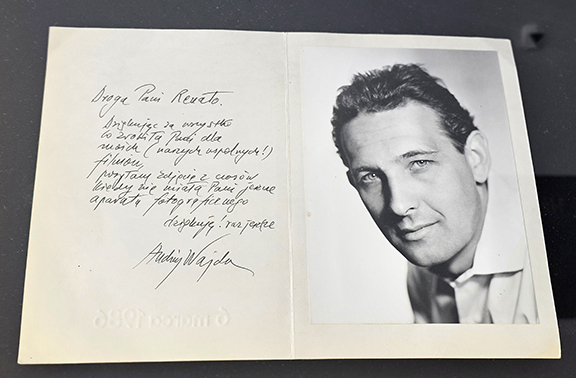
Letter of recommendation from Andrzej Wajda for Omar Sangare, in which the director praises the actor’s talent and mentions their plans to collaborate on a production of William Shakespeare’s Othello. Warsaw, December 20, 2003. Photo courtesy of Omar Sangare’s private archive.

What was special about Andrzej Wajda’s letters?

They were handwritten. Wajda, despite being such a busy man, found the time to sit down and write a personal letter. In doing so, he conveyed not only information, but also his attention, respect, and genuine interest in another person.

What did you correspond about over all those years?

We maintained an ongoing dialogue about our lives and the projects we were working on. Andrzej Wajda wrote about his theatrical and film projects, his work at the Stary Theatre in Kraków, and his preparations for a film about Lech Wałęsa. He described how deeply each new undertaking absorbed him, transporting him into another time and another world.

For my part, I shared my experiences in the United States, including my work at Williams College, where I have been teaching for over twenty years, and my encounters with American theater artists.

Our correspondence also influenced artistic decisions. One of its outcomes was my connection with Elżbieta Czyżewska.

What role did Andrzej Wajda play in bringing you together?

Wajda met Elżbieta Czyżewska in New York and suggested that she contact me. Elżbieta called me while I was rehearsing at the Dramatyczny Theatre in Warsaw. That conversation brought our artistic paths together in a production of Six Degrees of Separation by American playwright John Guare, a play that had already enjoyed enormous success in the United States and had been adapted into a Hollywood film.

When I later moved to America, I met John Guare himself. After Elżbieta’s death, we met at The Actors Studio in New York and began reminiscing about her. This led to the idea for a performance in which two friends remember someone who has passed away, one from a Polish perspective, the other from a New York perspective. The performance was recorded, and the recording became part of the Lincoln Center collections.

So my path to meeting one of America’s most important playwrights began with Andrzej Wajda. There were many similar stories. Wajda opened doors for people, often without even realizing how far those doors would eventually lead them. Many others were equally fortunate: Pszoniak, Olbrychski, Janda, Żebrowski, and Seweryn.

What distinguished his approach to working with actors?

Andrzej Wajda took the casting of his films and theatrical productions extremely seriously. To him, an actor was not simply someone who performed a role, but a creative collaborator. His actors brought their own histories, experiences, and personalities to the films.

Wajda would call actors, talk with them, and invite them to collaborate. He was genuinely interested in what another person had to say and what they could bring to the project.

You can also see this in documentary footage of him working on set. The camera was not a barrier between the director and the actor. On the contrary, it became a reason for them to come together.

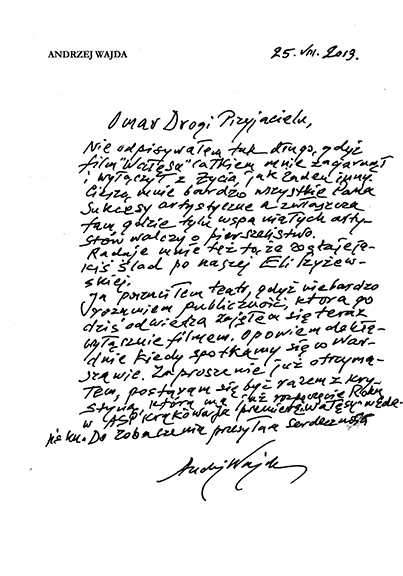
Letter from Andrzej Wajda to Omar Sangare, dated November 25, 2013, containing the director’s personal reflections on their longstanding friendship and artistic collaboration. Photo courtesy of Omar Sangare’s private archive.

At the Austin Polish Film Festival, we will be screening The Promised Land. The film was nominated for an Academy Award in 1976, but it never received a theatrical release in the United States. That must have been disappointing for Andrzej Wajda.

I think what mattered most to him was conveying what he and his collaborators believed was important at that particular moment. How the film would be received was of secondary importance. He understood that a work of art often has to wait years, even decades, to gain recognition, and that it may become a revelation for future generations.

And that is precisely what is happening with The Promised Land today. Many people are discovering it for the first time. I watched the film again quite recently and was deeply struck by how relevant it remains.

What do you find particularly significant about this film from the perspective of contemporary America?

The Promised Land tells the story of people lost in chaos. It asks how we can preserve friendship, respect, and humanity when success is measured in material terms and the pursuit of it leads to cruelty and indifference toward others.

What is true success? What price are we willing to pay for it? And what values must we preserve to avoid losing ourselves?

Today, we see a deeply divided American society, with people feeling lost, alienated, and often experiencing the dramatic consequences of the relentless pursuit of success. These consequences affect family, social, and personal life. And this is happening not only in the United States, but in many other countries, including present-day Poland.

You have been teaching in America for many years. What lessons from Wajda do you pass on to your students?

Above all, the conviction that art is not merely a profession. It is a way of looking at the world and at other human beings.

This applies to acting and directing, but also to solo performance, a form of theater I have been involved with for many years. I want my students to understand who we are as human beings, why we make certain decisions, and how our psychological journeys unfold throughout our lives.

I often tell them that my classes are sociology, psychology, and philosophy in practice. On stage, they can experience and examine situations they may one day encounter in their own lives.

Last semester, interest was so overwhelming that I admitted more than 200 students to my classes. It was a record number at Williams College, an American institution founded before the University of Warsaw.

I think there is something deeply meaningful about this, especially in today’s chaotic times. Young people are searching for human connection. They want to understand others, and they also want to understand themselves better.

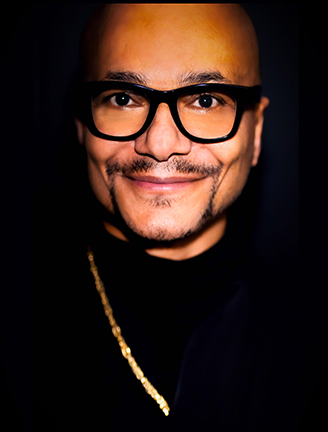
Omar Sangare. Photo courtesy of Omar Sangare’s private archive.

You are also the founder of United Solo, an international solo theater festival in New York. What fascinates you most about bringing together artists from around the world?

This year marks the 21st edition of United Solo. Our festival began in October and will continue through the end of November. Artists from different continents come to 42nd Street in New York. Each brings a unique story and a distinct way of seeing the world. And each performs alone on stage. In this way, we come closer to understanding individual lives.

It is a fascinating experience. All you have to do is sit in a theater seat to embark on a journey through different cultures, traditions, and human experiences.

What has stayed with you from your many years of friendship with Andrzej Wajda?

Above all, his way of looking at art and life.

I remember that even when I was in high school, Wajda’s films were considered essential viewing. I watched great actors on screen. I didn’t understand everything at the time, but I knew I was watching something important.

The same is true of literature. When I read Mickiewicz or Szymborska as a teenager, much of what they wrote was beyond my experience. Only as I grew older did I begin to discover deeper layers of meaning.

It is the same with Wajda’s films. I return to them and continue to discover new perspectives and meanings I had not noticed before.

What was also extraordinary was that artists I had admired as a young man later became part of my own artistic projects. In Warsaw, I directed Yvonne, Princess of Burgundy, featuring Daniel Olbrychski and Barbara Wrzesińska, who had once seemed to me unattainable models of acting excellence.

Andrzej Wajda also taught me that we can look at our own lives as a screenplay we are helping to write. Every day, we create our own story. And it is up to us what we do with the opportunity to write, direct, and shape our own lives.


Interview by Joanna Sokołowska-Gwizdka

The interview took place on October 30, 2026, in connection with the centenary of Andrzej Wajda’s birth and the 21st Austin Polish Film Festival. The festival will take place November 5–8, 2026, at AFS Cinema in Austin, Texas. It will open with a screening of Andrzej Wajda’s film „The Promised Land” (1974).


Andrzej Wajda – człowiek z empatii

Z Omarem Sangare, aktorem, reżyserem, profesorem Williams College w Massachusetts i twórcą nowojorskiego festiwalu United Solo – rozmawia Joanna Sokołowska-Gwizdka.

Andrzej Wajda był dla niego najpierw legendą polskiego kina, później profesorem, mistrzem, a wreszcie przyjacielem. Ich znajomość rozpoczęła się w warszawskiej Akademii Teatralnej i przetrwała wiele lat, także po wyjeździe Omara Sangare do Stanów Zjednoczonych. Pozostały po niej odręcznie pisane listy, wspomnienia i lekcja uwagi na drugiego człowieka.

W setną rocznicę urodzin Andrzeja Wajdy, z okazji 21. Austin Polish Film Festival, rozmawiamy o nieznanym obliczu reżysera i aktualności „Ziemi obiecanej”.


Andrzej Wajda i Omar Sangare, fot. arch. Omara Sangare

Joanna Sokołowska-Gwizdka: Nazwał Pan Andrzeja Wajdę „człowiekiem z empatii”. Czy to świadome nawiązanie do „Człowieka z marmuru”?

Omar Sangare: Tak, to celowe. Andrzej Wajda był niezwykle oddany ludziom. Potrafił dostrzec pojedynczego człowieka pośród tłumu, z jego marzeniami, frustracjami, ambicjami i osobistą historią. Dla mnie było to niezwykłe doświadczenie i wielka lekcja – gdzie pośród milionów ludzi i spraw trzeba wyostrzyć wzrok, aby dostrzec jednostkę.

Dotyczy to nie tylko pracy artystycznej, tworzenia roli czy przygotowywania się do występu przed kamerą albo na scenie, lecz także codziennego życia.

Jak rozpoczęła się Wasza znajomość?

Byłem studentem trzeciego roku w warszawskiej Akademii Teatralnej. Dowiedziałem się, że profesor Wajda poprosił studentów reżyserii, aby mnie odnaleźli i zaprosili na prowadzone przez niego zajęcia.

Pracowaliśmy nad „Panną Julią” Strindberga. Andrzej Wajda zaproponował mi rolę Jeana. Były to zajęcia dla młodych reżyserów. Sposób, w jaki traktował aktora, komunikował się z nim i tworzył przestrzeń do pracy udowadniał, że człowiek jest zawsze dla niego najważniejszy.

Później zaproponował Panu rolę Otella.

Po ukończeniu studiów spotkaliśmy się ponownie. Tym razem Andrzej Wajda zwrócił się do mnie już nie jako profesor, lecz jako reżyser. Zapytał, czy byłbym zainteresowany zagraniem Otella w jednym z warszawskich teatrów.

Rozmawialiśmy o Szekspirze, o odrębności jednostki wobec społeczeństwa, o potrzebie ochrony własnej indywidualności przed presją otoczenia. To były tematy bardzo bliskie Wajdzie.

Andrzej Wajda napisał wówczas list do Stanisława Barańczaka, który pracował nad przekładami dramatów Szekspira, prosząc go o przetłumaczenie „Otella”. Barańczak podjął się tego zadania. Otrzymałem od niego list oraz maszynopis świeżo ukończonego przekładu. Wyjaśniał, że powstał on na prośbę Andrzeja Wajdy, bardzo zainteresowanego naszym projektem teatralnym.

Do dzisiaj przechowuję ten egzemplarz, list od Barańczaka i wiele listów Andrzeja Wajdy. Są dla mnie jak relikwie, które przypominają jak wiele w życiu dostałem.

List rekomendacyjny Andrzeja Wajdy dla Omara Sangare, w którym reżyser wyraża uznanie dla talentu aktora i wspomina o planowanej wspólnej inscenizacji „Otella” Williama Szekspira, Warszawa, 20 grudnia 2003 r., fot. arch. Omara Sangare

Co było szczególnego w listach Andrzeja Wajdy?

Były pisane odręcznie. Wajda, człowiek tak bardzo zajęty, znajdował czas, aby usiąść i napisać osobisty list. Przekazywał w ten sposób nie tylko informacje, ale także uwagę, szacunek i zainteresowanie drugim człowiekiem.

Czego dotyczyła Wasza korespondencja przez te wszystkie lata?

Prowadziliśmy dialog o tym, czym żyliśmy i nad czym pracowaliśmy. Andrzej Wajda opowiadał o kolejnych projektach teatralnych i filmowych, o pracy w Starym Teatrze w Krakowie, o przygotowaniach do filmu o Lechu Wałęsie. Pisał, jak bardzo pochłaniają go kolejne przedsięwzięcia, przenosząc go w inny czas i inną przestrzeń.

Z mojej strony dzieliłem się doświadczeniami ze Stanów Zjednoczonych, między innymi z pracy w Williams College, gdzie uczę od ponad dwudziestu lat i ze spotkań z amerykańskimi twórcami teatralnymi.

Nasza korespondencja miała również wpływ na decyzje artystyczne. Jedną z nich była nawiązana znajomość z Elżbietą Czyżewską.

Jaką rolę odegrał w tym Andrzej Wajda?

Wajda spotkał Elżbietę Czyżewską w Nowym Jorku i zasugerował, żeby się ze mną skontaktowała. Elżbieta zadzwoniła do mnie podczas moich prób w warszawskim Teatrze Dramatycznym. Ta rozmowa połączyła nasze drogi artystyczne w spektaklu „Szósty stopnień oddalenia” Johna Guare, amerykańskiego dramaturga, którego ta sztuka odniosła już ogromny sukces w Ameryce i doczekała się hollywoodzkiej ekranizacji.

Kiedy później znalazłem się w Ameryce, poznałem samego Johna Guare. Po śmierci Elżbiety spotkaliśmy się w nowojorskim The Actors Studio i zaczęliśmy ją wspominać. Narodził się pomysł przedstawienia, w którym dwóch przyjaciół opowiada o osobie, która odeszła: jeden z perspektywy polskiej, drugi z nowojorskiej. Spektakl został zarejestrowany, a nagranie trafiło do zbiorów Lincoln Center.

Tak więc moja droga do spotkania z jednym z najważniejszych amerykańskich dramatopisarzy prowadziła przez Andrzeja Wajdę. Podobnych sytuacji było więcej. Wajda otwierał przed ludźmi drzwi, często nawet nie zdając sobie sprawy, jak daleko ich później zaprowadzą. Wielu miało takie szczęście: Pszoniak, Olbrychski, Janda, Żebrowski czy Seweryn.

Co najbardziej wyróżniało jego sposób pracy z aktorami?

Andrzej Wajda traktował obsadę swoich filmów i spektakli niezwykle poważnie. Aktor nie był dla niego jedynie wykonawcą roli, ale i współtwórcą. Jego aktorzy wnosili do filmu własną historię, doświadczenie, osobowość.

Wajda dzwonił do aktorów, rozmawiał z nimi i zapraszał ich do współpracy. Interesowało go, co druga osoba ma do powiedzenia, co może zaproponować.

To widać również w materiałach dokumentujących jego pracę na planie. Kamera nie stanowiła granicy między reżyserem a aktorem. Przeciwnie, stawała się powodem ich spotkania.

List Andrzeja Wajdy do Omara Sangare z 25 listopada 2013 roku, zawierający osobiste refleksje reżysera na temat ich wieloletniej znajomości i współpracy artystycznej, fot. arch. Omara Sangare

Podczas Austin Polish Film Festival pokażemy „Ziemię obiecaną”. Film był nominowany do Oskara w 1976 roku, ale potem nie wszedł do kinowej dystrybucji. To musiało być rozczarowanie dla Andrzeja Wajdy.

Myślę, że dla niego najważniejsze było przekazanie tego, co w danym momencie uważał za istotne, zarówno on, jak i jego współtwórcy. Sposób, w jaki film zostanie odebrany, miał znaczenie drugorzędne, a to z przeświadczeniem, że dzieło artysty często czeka na uznanie przez lata, dekady i będzie odkryciem dla następnych pokoleń. I tak właśnie dzisiaj wielu odkrywa „Ziemię obiecaną”. Oglądałem ten film ponownie całkiem niedawno i byłem poruszony jego aktualnością.

Co szczególnego odnajduje Pan w tym filmie z perspektywy dzisiejszej Ameryki?

„Ziemia obiecana” opowiada o człowieku zagubionym w chaosie. O tym, jak ocalić przyjaźń, szacunek i człowieczeństwo, kiedy sukces sprowadza się do wartości materialnych, a pogoń za nim prowadzi do okrucieństwa i obojętności wobec innych.

Czym jest prawdziwy sukces? Jaką cenę jesteśmy gotowi za niego zapłacić? I jakie wartości trzeba ocalić, aby nie zatracić samego siebie?

Widzimy dziś społeczeństwo amerykańskie głęboko podzielone, ludzi zagubionych, poróżnionych, często doświadczających dramatycznych konsekwencji pogoni za sukcesem. Dotyczą one życia rodzinnego, społecznego i osobistego. Dzieje się tak nie tylko w Stanach, ale wielu krajach, także i w dzisiejszej Polsce.

Od wielu lat uczy Pan w Ameryce. Co z lekcji Wajdy przekazuje Pan swoim studentom?

Przede wszystkim przekonanie, że sztuka nie jest wyłącznie zawodem. Jest sposobem patrzenia na świat i na drugiego człowieka.

Dotyczy to aktorstwa, reżyserii, ale również sztuki monodramu, którą zajmuję się od lat. Chcę, żeby studenci rozumieli, kim jest człowiek, dlaczego podejmuje określone decyzje, jak kształtuje się jego psychologiczna droga przez życie.

Powtarzam im, że moje zajęcia są socjologią, psychologią i filozofią w praktyce. Na scenie mogą przeżyć i przeanalizować sytuacje, z którymi być może spotkają się później w życiu.

W ubiegłym semestrze zainteresowanie było tak ogromne, że przyjąłem na zajęcia ponad 200 studentów. To rekordowa liczba na Williams College, amerykańskiej uczelni, starszej od Uniwersytetu Warszawskiego.

Myślę, że jest w tym coś bardzo znaczącego, szczególnie w dzisiejszych chaotycznych czasach. Młodzi ludzie poszukują dzisiaj kontaktu z drugim człowiekiem. Chcą go rozumieć, chcą także lepiej zrozumieć samych siebie.

Omar Sangare, fot. arch. Omara Sangare

Jest Pan także twórcą United Solo, międzynarodowego festiwalu monodramu w Nowym Jorku. Co najbardziej fascynuje Pana w tym spotkaniu artystów z różnych stron świata?

W tym roku odbywa się już 21. edycja United Solo. Nasz festiwal rozpoczął się w październiku i potrwa do końca listopada. Na 42. ulicę w Nowym Jorku przyjeżdżają artyści z różnych kontynentów. Każdy proponuje własną historię i własny sposób widzenia świata. I każdy występuje solo. Tak zbliżamy się do losów jednostki.

To fascynujące doświadczenie. Wystarczy usiąść w jednym fotelu teatralnym, aby odbyć podróż przez strefy wielu kultur, tradycji i ludzkich spraw.

Co pozostało w Panu z tej wieloletniej znajomości z Andrzejem Wajdą?

Przede wszystkim sposób patrzenia na sztukę i życie.

Pamiętam, że już w szkole średniej filmy Wajdy po prostu należało zobaczyć. Oglądałem wielkich aktorów. Nie wszystko wtedy rozumiałem. Wiedziałem jednak, że oglądam coś ważnego.

Podobnie jest z literaturą. Kiedy jako nastolatek czytałem Mickiewicza czy Szymborską, wiele rzeczy pozostawało poza moim doświadczeniem. Dopiero z wiekiem odkrywałem kolejne znaczenia.

Tak samo jest z filmami Wajdy. Wracam do nich i wciąż odnajduję nowe pryzmaty, znaczenia, których wcześniej nie dostrzegałem.

Niezwykłe było również to, że artyści, których podziwiałem jako młody człowiek, pojawiali się później w moich projektach artystycznych. Reżyserowałem w Warszawie „Iwonę, księżniczkę Burgunda” z udziałem Daniela Olbrychskiego i Barbary Wrzesińskiej, którzy wcześniej byli dla mnie niedoścignionymi wzorami aktorskiego kunsztu.

Od Andrzeja Wajdy nauczyłem się również, że możemy patrzeć na własne życie jak na scenariusz, w którego powstawaniu sami uczestniczymy. Każdego dnia tworzymy własną historię. I od nas zależy, co zrobimy z szansą zapisywania, reżyserowania, współtworzenia własnego życia.


Rozmawiała: Joanna Sokołowska-Gwizdka

Rozmowa odbyła się 30 października 2026 roku, w związku z obchodami setnej rocznicy urodzin Andrzeja Wajdy oraz 21. Austin Polish Film Festival. Festiwal odbędzie się w dniach 5–8 listopada 2026 roku w AFS Cinema w Austin w Teksasie. Otworzy go pokaz filmu „Ziemia obiecana” (1974) w reżyserii Andrzeja Wajdy.

Zobacz też:


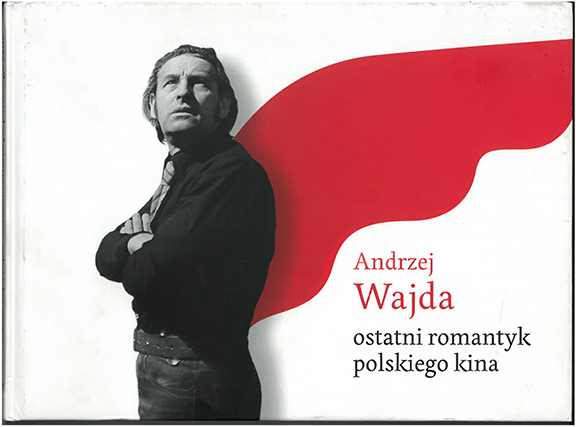
„Andrzej Wajda: The Last Romantic of Polish Cinema”

With Anna Serdiukow, co-author (together with Małgorzata Fiejdasz-Kaczyńska) of the book Andrzej Wajda: The Last Romantic of Polish Cinema, Joanna Sokołowska-Gwizdka discusses Wajda’s work, artistic vision, and enduring legacy.
Cover of the book “Andrzej Wajda: The Last Romantic of Polish Cinema,” edited by Małgorzata Fiejdasz-Kaczyńska and Anna Serdiukow, Polish Filmmakers Association, Warsaw, 2017.

Joanna Sokołowska-Gwizdka: While working on the book Andrzej Wajda: The Last Romantic of Polish Cinema, you spoke with many people who knew Wajda and worked with him. What portrait of the man and the artist emerged most often from those conversations? Was there a particular quality that kept coming up in the recollections of people from very different backgrounds?

Anna Serdiukow: He was a man deeply aware of where he came from. He felt a sense of responsibility for… well, many words would fit here. Responsibility for Poland, for the Polish people, for the filmmaking community, for the world around him, and for future generations of artists.

He felt less at ease outside Poland, and yet he was unquestionably an international artist. His cinema, though deeply rooted in his Polish identity, was universal. Andrzej Seweryn believes that Wajda was an artist in love with Poland, someone who could inspire that same love in others: a love of its language, its land, its light, its traditions, its nature, and its literature.

At Wajda’s funeral, Krystyna Janda described him as “the Simeon Stylites of the artistic community” (Simeon Stylites, c. 390–459, was a Syrian hermit and ascetic regarded as a symbol of spiritual steadfastness and moral authority — editor’s note).

Throughout our conversations, people repeatedly emphasized that Wajda remained true to himself and to a clearly defined set of values. He had profound respect for the Polish nation, its heritage, and its culture. This is evident, among other things, in the literary works he chose to adapt for the screen. After all, we are speaking of a filmmaker who brought works such as The Wedding (Wesele) and Pan Tadeusz to the cinema.

People also stressed that Wajda was a loyal friend. He repeatedly helped those close to him in times of trouble, regardless of what had caused their difficulties or how daunting the challenge might be.

He did not separate his personal and professional lives. He himself once said, “I have to start working on something, because I feel as though I’m dying when I’m not making films.” People used to say that only when he saw his name on a cinema screen did he know who he was. It was like that with every film; he never seemed to have enough.

But can one ever have enough of life, art, cinema, or anything else when one has miraculously escaped death as a child? Wajda was thirteen when World War II broke out. Until the end of his life, he retained something of a prewar Boy Scout: his impeccable manners and sense of duty, but also an acute awareness of life’s fragility. He had survived, and therefore felt compelled to live his life as intensely as possible.

And there was one final observation that returned like a refrain, no less important than the others. Many of my interviewees—or rather, our interviewees, since I worked on the book together with Małgorzata Fiejdasz-Kaczyńska—said that whenever they thought of Wajda, they invariably pictured two people together: Wajda and Zachwatowicz.

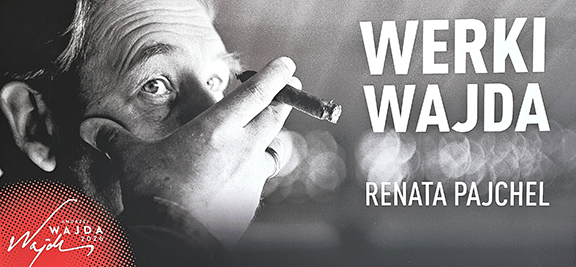
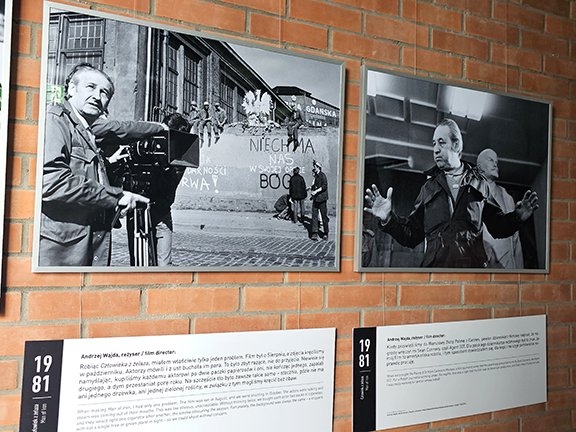
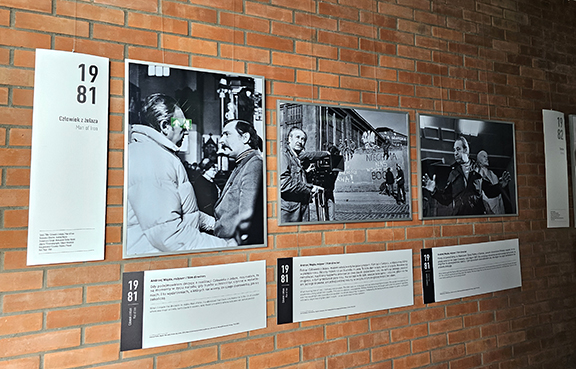
Detail from the exhibition “Werki Wajda,” featuring Renata Pajchel’s photographs taken on the sets of Andrzej Wajda’s films, National Centre for Film Culture in Łódź, Poland. Photo: Joanna Sokołowska-Gwizdka.

Joanna Sokołowska-Gwizdka: What surprised you most while working on the book? Did you discover anything about Wajda that changed the way you had previously viewed him and his films?

Anna Serdiukow: I heard time and again that he was… charming and seductive. He was not a conventional heartthrob. He captivated people through conversation, care, genuine interest, empathy, attentiveness, engagement, erudition, warmth, and elegance. He did not keep people at a distance; quite the opposite, he made them feel close to him.

When greeting someone, he would often say “Panie kolego” (“my dear colleague”), emphasizing that they belonged to the same filmmaking tribe. It might be a younger colleague, even someone with far less professional experience. To Wajda, that made no difference.

Joanna Sokołowska-Gwizdka: The title of your book describes him as “the last romantic of Polish cinema.” What exactly does the word “romantic” mean in Wajda’s case?

Anna Serdiukow: Being a Romantic certainly means something different in Poland than it does abroad. In Poland, a Romantic artist is someone concerned with Poland, the Polish spirit, Polish identity, and the Polish national cause. All of this is encompassed by our understanding of Romanticism.

It would be difficult to call Miłosz, Różewicz, or Kantor great Romantics. Piłsudski, Słowacki, Lechoń, and Wajda, on the other hand, certainly fit that description.

There was a time when people tried to describe Wajda as “the Matejko of cinema.” He disagreed, arguing that Matejko immortalized victories on canvas, whereas he portrayed defeats.

Wajda was—or perhaps still is—an heir to and a product of nineteenth-century Polish literature: Mickiewicz, Słowacki, and Wyspiański. While studying at the Academy of Fine Arts in Kraków, he attended Kazimierz Wyka’s lectures on Wyspiański and his Romantic roots. But the paintings of Jacek Malczewski also helped shape what we might call “Andrzej Wajda’s universe.”

There is no doubt that he was—and perhaps remains—a Romantic artist, possibly the last of such stature and significance in the landscape of Polish culture.

Detail from the exhibition “Werki Wajda,” featuring Renata Pajchel’s photographs taken on the sets of Andrzej Wajda’s films, National Centre for Film Culture in Łódź, Poland. Photo: Joanna Sokołowska-Gwizdka.

Joanna Sokołowska-Gwizdka: Andrzej Wajda was deeply rooted in Polish history and tradition. Yet his films were watched and understood around the world. How did he manage to transform distinctly Polish stories into universal cinema?

Anna Serdiukow: Andrzej Wajda made films that reflected his own way of seeing the world. It was the perspective of a Pole. He never wondered who would watch his films, never calculated or tried to cater to an audience.

I don’t know how to name or define that particular quality, that element which distinguished his cinema and made it accessible to audiences around the world. His films certainly did not achieve international success simply because of their Polish themes.

Perhaps it was because he was an artist who was never ashamed of his Polish identity. But it was never about pride or ego. It was about truth. Who knows? Perhaps that was what resonated with audiences.

Joanna Sokołowska-Gwizdka: The 1980s were an especially significant period for Wajda, both artistically and as a public figure. How did the people you interviewed remember those years? Did they feel that, for him, the role of the artist and responsibility toward society were inseparable?

Anna Serdiukow: Andrzej Wajda never quite managed to realize his dream of a quiet family life. Five years after marrying Krystyna Zachwatowicz, he went to the Gdańsk Shipyard to support the film crew documenting the strikes, in his capacity as president of the Polish Filmmakers Association. But let me start at the beginning.

Wajda certainly began to see himself differently—and to reconsider what it meant to be an artist—after the events of March 1968 in Poland. He asked himself what a filmmaker could be, or perhaps what a filmmaker ought to be. Those events awakened in him a desire, or perhaps a vision, of helping to build a community and assuming responsibility for a particular group, for his professional community, and ultimately perhaps for Poland itself.

According to Anna Kaplińska-Struss, Andrzej Wajda would never have become the socially engaged figure he was—someone who felt responsible not only for the fate of his fictional characters but also for his fellow citizens—had it not been for Krystyna Zachwatowicz.

It is worth remembering that it was she who, in 1975, introduced Wajda to Stanisława Przybyszewska’s play The Danton Case (Sprawa Dantona). Anyone who saw the production at Warsaw’s Teatr Powszechny, starring Wojciech Pszoniak, understood that it was about the here and now—about contemporary reality, about history unfolding in the present.

That same year, Wajda and Zachwatowicz married. Five years later, Krystyna was active in the cultural commission attached to the leadership of the Solidarity trade union and in its National Coordinating Commission.

It was also during this period that Man of Iron (Człowiek z żelaza) was made. The film begins where Man of Marble (Człowiek z marmuru) ends: at the gates of the Gdańsk Shipyard.

Despite pressure from the censors, Wajda refused to remove the famous protest song Janek Wiśniewski padł (“Janek Wiśniewski Has Fallen”). It was then that he realized his presence at the Shipyard during the strikes had given him the support of a working-class community numbering in the millions. He had an entire trade union behind him.

Detail from the exhibition “Werki Wajda,” featuring Renata Pajchel’s photographs taken on the sets of Andrzej Wajda’s films, National Centre for Film Culture in Łódź, Poland. Photo: Joanna Sokołowska-Gwizdka.

Wajda was never an artist detached from real life, living in a bubble. But he was undoubtedly too trusting when it came to politics. He owed much of his sense of direction in public life to Krystyna Zachwatowicz. Both paid an enormous price for their commitment, yet they remained inseparable, standing together through everything during their 43 years of marriage.

In their apartment on Hauke-Bosaka Street in Warsaw’s Żoliborz district, Wajda and Zachwatowicz always kept two emergency kits ready, containing soap, toothbrushes and toothpaste, towels, and medication. But for them, martial law was not primarily about fear. It was, above all, about Father Jerzy Popiełuszko’s sermons at the church in Żoliborz and the crowds of worshippers who gathered there. When Wajda was asked about those “faithful,” during Popiełuszko’s funeral, he replied that they were “faithful to the truth, faithful to the cause, faithful to Poland.”

When I think of Andrzej Wajda’s completed films, I see each one as an expression of the artist’s voice, but also as a political and civic commentary on the world around him: Man of Marble, Man of Iron, Danton, Ashes and Diamonds, The Ashes, Katyń, and Walesa: Man of Hope.

But I also think of the films he never managed to make, including adaptations of Günter Grass’s Cat and Mouse and Joseph Conrad’s Heart of Darkness, for which Andrzej Żuławski was to write the screenplay.

At one point, Wajda also envisioned inviting people from outside the film industry to collaborate with his Film Unit X (Zespół Filmowy X). He considered producing Beyond the Seventh Boundary (Za siódmą miedzą), a screenplay by Maciej Szumowski, creator of the well-known 1960s documentary series Poland Beyond the Seventh Boundary (Polska zza siódmej miedzy), which gave ordinary citizens a voice.

The subject matter and the way it was presented, however, proved too politically sensitive, and the authorities never approved the project for production. Many of Andrzej Wajda’s other projects met a similar fate.

Detail from the exhibition “Werki Wajda,” featuring Renata Pajchel’s photographs taken on the sets of Andrzej Wajda’s films, National Centre for Film Culture in Łódź, Poland. Photo: Joanna Sokołowska-Gwizdka.

Joanna Sokołowska-Gwizdka: The Honorary Oscar in 2000 was a major international recognition of Wajda’s work. How do you think he himself viewed the award? As the crowning achievement of his career, an honor for Polish cinema, or perhaps something more?

Anna Serdiukow: Before receiving the Oscar from Jane Fonda, Andrzej Wajda had been nominated for an Academy Award four times. When he finally accepted the statuette for his lifetime achievement, he delivered his speech in his native language, saying: “I will speak in Polish because I want to say what I think, and I always think in Polish.”

Of course, there was a significant language barrier—we should not pretend otherwise. On the other hand, this was undoubtedly an important moment for him, affirming his standing as a Polish filmmaker of international renown. But as he himself emphasized, he accepted the award not only as recognition of his own achievements, but also as a tribute to Polish cinema as a whole.

And in the end, he did not keep the statuette. In April 2000, he donated it to the Jagiellonian University Museum.

Joanna Sokołowska-Gwizdka: If you had to identify the most important thing Andrzej Wajda left behind—not only for Polish cinema, but for culture in a broader sense—what would it be?

Anna Serdiukow: His ability to establish lasting bonds that extended beyond professional relationships and grew stronger over time. Cinema was the beginning of something greater, deeper, and more meaningful. Film collaborations would come to an end, but the relationships, friendships, and human connections remained.

Mr. Andrzej gave so much of himself on a personal level. He invested an extraordinary amount of time, energy, respect, and empathy in other people’s lives. In that profoundly human sense, he was remarkable. He could give his attention to something seemingly small, yet something that might be essential, important, even life-changing to another person.

And all the while, he kept working. He worked constantly.

Time is a luxury, our most precious currency. We understand that particularly well today, surrounded by technological conveniences that, paradoxically, end up taking so much of our time.

In Mr. Andrzej’s case, we are talking about an extraordinarily full personal and creative life, much of it lived before mobile phones, Zoom, and social media existed. Yet despite his intense involvement in so many initiatives, not only cinematic ones, he was genuinely present. He was here and now. He was helpful, and he simply made time for people and their concerns.

I look with admiration at his friendships, so utterly selfless, and at the gratitude he felt toward others and expressed so generously.

This is something we desperately need today, and certainly not only in the world of cinema: the ability to build dialogue and bring people together, to be decent without giving up the ability to stand up for ourselves.

What matters is that we learn once again to listen to one another—to truly hear each other and look one another in the eye.

Culture needs… civility.


Anna Serdiukow, photo: Daniel Raczyński.

Journalist, film critic, translator, cultural programmer, and script consultant. From 2016 to 2019, she served as Artistic Director of the Cinergia European Cinema Forum in Łódź, and since 2024 she has been Program Director of the Młodzi i Film Festival in Koszalin, with which she has been associated since 2010.

She regularly publishes articles on cinema, including in the Polish Filmmakers Association’s Film Magazine. She is an editor and co-author of monographs on Andrzej Wajda, Roman Polanski, and Wojciech Jerzy Has.

She works on an ongoing basis with the Balapolis production company and the Polish Association of Arthouse Cinemas, programming, among other events, the Warsaw Arthouse Cinema Week. She is also involved in promoting Polish cinema both in Poland and internationally.

As a correspondent for the Polish press, she covers major international film festivals in Cannes, Venice, Berlin, and Karlovy Vary. She co-hosts the film program DOBRZE ZMONTOWANE on Chillizet radio.

She is a member of the Polish Film Academy, the International Federation of Film Critics (FIPRESCI), the Polish Filmmakers Association (SFP), the Association of Women Filmmakers, and the Ex Anima Film Foundation. She also serves as an expert for the Polish Film Institute.


„Andrzej Wajda. Ostatni romantyk polskiego kina”.

Z Anną Serdiukow, współautorką (wraz z Małgorzatą Fiejdasz-Kaczyńską) książki Andrzej Wajda. Ostatni romantyk polskiego kina, o twórczości, artystycznej osobowości i ponadczasowym dziedzictwie Andrzeja Wajdy — rozmawia Joanna Sokołowska-Gwizdka.
Okładka albumu „Andrzej Wajda. Ostatni romantyk polskiego kina”, opracowanie: Małgorzata Fiejdasz-Kaczyńska i Anna Serdiukow, Stowarzyszenie Filmowców Polskich, Warszawa 2017

Joanna Sokołowska-Gwizdka: Pracując nad książką Andrzej Wajda. Ostatni romantyk polskiego kina, rozmawiałaś z wieloma osobami, które znały Wajdę i z nim pracowały. Jaki obraz człowieka i artysty najczęściej wyłaniał się z tych rozmów? Czy była jakaś cecha, która powracała w relacjach bardzo różnych ludzi?

Anna Serdiukow: Był człowiekiem świadomym tego skąd pochodzi. Czuł się odpowiedzialny za… no właśnie, wiele słów tu pasuje. Odpowiedzialny za Polskę, za Polaków, za społeczność filmową, za rzeczywistość, za kolejne pokolenia twórców.

Poza Polską czuł się gorzej, a przecież bez wątpienia był artystą międzynarodowym, jego kino – choć przesiąknięte Jego głęboką polskością – było uniwersalne. Andrzej Seweryn uważa, że mieliśmy do czynienia z Twórcą zakochanym w Polsce, który potrafił swoją miłością zarażać: miłością do języka, do ziemi, do światła, do tradycji, do natury, do literatury.

Krystyna Janda na pogrzebie Wajdy, nazwała go „Szymonem Słupnikiem środowisk twórczych” (Szymon Słupnik, ok. 390–459 – syryjski pustelnik i asceta, uważany za symbol duchowej niezłomności i autorytetu moralnego – przyp. red.).

Często w naszych rozmowach podkreślano, że Wajda pozostawał wierny sobie i pewnym bardzo określonym wartościom. Miał wielki szacunek do Narodu, do Spuścizny i do Kultury, widać to m.in. po dziełach, które ekranizował, mówimy przecież o Twórcy, który sięgał chociażby po „Wesele”, czy „Pana Tadeusza”.

Podkreślano również, że Wajda był lojalnym przyjacielem, pomagał wielokrotnie bliskim w opresji, nie zważając na genezę kłopotów, czy skalę wyzwania.

Nie rozdzielał życia prywatnego i zawodowego, zresztą sam mówił: „muszę coś zacząć robić, bo przecież ja umieram, jak nie kręcę filmów”. Mawiano, że dopiero czytając swoje nazwisko na ekranie kina, wiedział kim jest. I przy każdym filmie tak było, nigdy się tym nie nasycił. Zresztą, czy można się nasycić życiem, sztuką, kinem, wszystkim, gdy cudem unika się śmierci w dzieciństwie? Wajda miał 13 lat, gdy wybuchła wojna. Do końca życia pozostał typem przedwojennego harcerza, niosła go tak kindersztuba jak i poczucie kruchości życia. Ocalał, a zatem musiał przeżyć to swoje życie najintensywniej jak się dało.  

I ostatnie powtarzające się jak refren stwierdzenie, wcale nie mniej od innych ważne spostrzeżenie: wielu moich/naszych – bo tworzyłam tę książkę wraz z Małgorzatą Fiejdasz-Kaczyńską – rozmówców mówiło, że myśląc Wajda, zawsze widzieli duet: Wajda-Zachwatowicz.

Fragment wystawy „Werki Wajda” prezentującej fotografie Renaty Pajchel z planów filmowych Andrzeja Wajdy, Narodowe Centrum Kultury Filmowej w Łodzi, fot. Joanna Sokołowska-Gwizdka

Co najbardziej zaskoczyło Cię podczas pracy nad książką? Czy dowiedziałaś się o Wajdzie czegoś, co zmieniło Twój wcześniejszy sposób patrzenia na niego i jego filmy?

Wielokrotnie słyszałam, że był… czarujący i uwodzicielski. Nie był typem amanta, uwodził rozmową, troską, zainteresowaniem, empatią, swoją uwagą i zaangażowaniem, erudycją, ciepłem i elegancją. Nie tworzył dystansu, raczej mocno go skracał. Zwykł mawiać, gdy kogoś witał: „panie kolego”, podkreślając tym samym przynależność do tego samego filmowego plemienia. I mógł to być młodszy kolega, również mocno młodszy stażem. Dla Wajdy nie miało to znaczenia.

Tytuł książki nazywa go „ostatnim romantykiem polskiego kina”. Co właściwie oznacza w odniesieniu do Wajdy słowo „romantyk”?

Na pewno bycie romantykiem oznacza co innego w Polsce, a co innego za granicą. U nas twórca romantyczny to artysta zajmujący się Polską, polskim duchem, polskością, sprawą polską… I to wszystko mieści się w pojęciu romantyczności. Miłosza, Różewicza, Kantora z pewnością trudno nazwać wielkimi romantykami. Piłsudskiego, Słowackiego, Lechonia, Wajdę już raczej tak…

Był czas, kiedy Wajdę próbowano nazywać „filmowym Matejką”. On się z tym nie zgadzał, argumentując, że przecież Matejko uwiecznia na płótnie zwycięstwa, podczas gdy On portretuje klęski.

Wajda był – czy też jest – potomkiem i wychowankiem XIX-wiecznej literatury: Mickiewicza, Słowackiego, Wyspiańskiego. Studiując w Krakowie na ASP uczęszczał na wykłady Kazimierza Wyki o Wyspiańskim i jego romantycznych korzeniach. Ale „uniwersum Andrzeja Wajdy” współtworzyło także malarstwo Malczewskiego. Bez wątpienia był – a może wciąż jest – artystą romantycznym, być może właśnie ostatnim tej miary i tego formatu w naszym polskim pejzażu.

Fragment wystawy „Werki Wajda” prezentującej fotografie Renaty Pajchel z planów filmowych Andrzeja Wajdy, Narodowe Centrum Kultury Filmowej w Łodzi, fot. Joanna Sokołowska-Gwizdka

Andrzej Wajda był wyjątkowo mocno zakorzeniony w polskiej historii i tradycji. A jednak jego filmy były oglądane i rozumiane na całym świecie. Co sprawiło, że bardzo polskie historie potrafił przekształcić w kino uniwersalne?

Andrzej Wajda robił filmy, które były jego spojrzeniem na świat. To była perspektywa Polaka. Nigdy nie zastanawiał się, kto te filmy będzie oglądał, nie rachował, nie kombinował pod publiczkę. Nie wiem, jak nazwać, jak zdefiniować czynnik, element, który wyróżniał jego kino i sprawiał, że było czytelne na całym świecie… Na pewno nie za sprawą polskich motywów, jego filmy odnosiły sukcesy za granicą. Być może chodziło o to, że był Twórcą, który nie wstydzi się swojej polskości. Tyle że nigdy nie chodziło o dumę, o ego, ale o prawdę. Kto wie, może to rezonowało?

Lata osiemdziesiąte były dla Wajdy okresem szczególnym — zarówno artystycznie, jak i obywatelsko. Jak ten czas wspominali Wasi rozmówcy? Czy można było odczuć, że dla niego rola artysty i odpowiedzialność za rzeczywistość były ze sobą nierozerwalnie związane?

Nie udało się Andrzejowi Wajdzie zrealizować projektu pt. spokojne życie rodzinne. Pięć lat po ślubie z Krystyną Zachwatowicz jedzie do Stoczni, by – jako prezes Stowarzyszenia Filmowców Polskich – wesprzeć ekipę dokumentującą strajki. Ale od początku.

Z pewnością Wajda spojrzał na siebie inaczej – i na to kim jest Artysta – po doświadczeniu Marca’68. Zadawał sobie pytania: kim może być, czy też kim powinien być twórca filmowy? Wydarzenia tamtego czasu rozbudziły w nim tęsknoty czy też wizje o współtworzeniu wspólnoty, ale też wzięciu odpowiedzialności za jakąś grupę, za środowisko, a być może ostatecznie też za Polskę.

Zdaniem Anny Kaplińskiej-Struss nie byłoby Andrzeja Wajdy społecznika, który – tak, a jakże! – czuł odpowiedzialność za losy nie tylko swoich bohaterów, ale i swoich pobratymców, gdyby nie Krystyna Zachwatowicz. Dość rzec, że to właśnie Ona podsuwa Wajdzie w 1975 roku dramat Stanisławy Przybyszewskiej „Sprawa Dantona”. Każdy, kto widział ten spektakl w Teatrze Powszechnym z Wojciechem Pszoniakiem, wiedział, że mowa o „tu i teraz” – o współczesności, o czasie teraźniejszym niedokonanym. W tym samym roku Wajda i Zachwatowicz biorą ślub, pięć lat później pani Krystyna działa w komisji ds. kultury przy prezydium NSZZ „Solidarność” i w Krajowej Komisji Porozumiewawczej, wtedy też powstaje „Człowiek z żelaza” – który zaczyna się tam, gdzie kończy „Człowiek z marmuru”, czyli przy bramie Stoczni Gdańskiej. Wajda, mimo nacisków cenzury, nie wycina słynnej pieśni „Janek Wiśniewski padł” – to wtedy uświadamia sobie, że jego obecność w Stoczni podczas strajków, daje mu elektorat w postaci wielomilionowej społeczności robotniczej. Ma za sobą związek zawodowy.

Fragment wystawy „Werski Wajda” prezentującej fotografie Renaty Pajchel z planów filmowych Andrzeja Wajdy, Narodowe Centrum Kultury Filmowej w Łodzi, fot. Joanna Sokołowska-Gwizdka

Wajda nigdy nie był oderwanym od życia twórcą żyjącym w banieczce, ale bez wątpienia, był człowiekiem politycznie nazbyt ufnym. To Krystynie Zachwatowicz zawdzięcza właściwy kierunek marszu w życiu publicznym. Oboje zapłacili za to ogromną cenę, ale nierozłącznie byli razem we wszystkim przez 43 lata małżeństwa. I tak w żoliborskim lokum Wajdy i Zachwatowicz przy ulicy Hauke-Bosaka zawsze stały przygotowane dwa ekwipunki, w których schowane były: mydło, szczotka i pasta do zębów, ręczniki, lekarstwa. Ale stan wojenny to dla naszych bohaterów nie strach, a przede wszystkim kazania ks. Jerzego Popiełuszki w kościele na Żoliborzu i tłum wiernych. Wajda zapytany o tych „wiernych” odrzekł, już podczas pogrzebu Popiełuszki, że chodzi o „wiernych prawdzie, wiernych sprawie, wiernych Polsce”.   

Myślę o zrealizowanych filmach Andrzeja Wajdy, każdy był głosem Twórcy, ale też komentarzem polityczno-obywatelskim wobec rzeczywistości: „Człowiek z marmuru”, „Człowiek z żelaza”, „Danton”, „Popiół i diament”, „Popioły”, „Katyń”, „Wałęsa – człowiek z nadziei”. Ale myślę też o niezrealizowanych produkcjach reżysera, m.in. o takich tytułach jak „Kot i mysz” Guntera Grassa, czy „Jądro ciemności” wg Josepha Conrada (scenariusz miał pisać Andrzej Żuławski).    

Wajda miał też taką wizję w pewnym momencie, żeby zapraszać do współpracy w Zespole X ludzi spoza branży filmowej. Myślał o realizacji scenariusza „Za siódmą miedzą” autorstwa Macieja Szumowskiego, autora słynnego w latach 60. cyklu dokumentalnego „Polska zza siódmej miedzy”, w którym głos mieli zwykli obywatele. Temat i sposób jego prezentacji okazał się jednak zbyt ostry politycznie, projekt nie został nigdy zatwierdzony przez władze do produkcji. Wiele projektów Andrzeja Wajdy spotkał podobny los.  

Fragment wystawy „Werski Wajda” prezentującej fotografie Renaty Pajchel z planów filmowych Andrzeja Wajdy, Narodowe Centrum Kultury Filmowej w Łodzi, fot. Joanna Sokołowska-Gwizdka

Honorowy Oscar w 2000 roku był wielkim międzynarodowym uznaniem dla jego twórczości. Jak, Twoim zdaniem, sam Wajda odbierał tę nagrodę? Jako ukoronowanie własnej kariery, wyróżnienie dla polskiego kina czy może coś jeszcze?

Nim Andrzej Wajda otrzymał Oscara z rąk Jane Fondy, czterokrotnie był nominowany do tej nagrody. Ostatecznie odbierając statuetkę za całokształt twórczości wygłosił mowę w swoim ojczystym języku, mówiąc: Będę mówił po polsku, bo chcę powiedzieć to, co myślę, a myślę zawsze po polsku. Oczywiście, istniała poważna bariera językowa, nie ukrywajmy tego, z drugiej strony, z pewnością była to dla niego ważna chwila, sankcjonująca Jego status jako polskiego Twórcy o międzynarodowej renomie, ale też – jak podkreślił – przyjmował tę statuetkę nie tylko jako wyraz uznania dla siebie, ale jako hołd dla całego polskiego kina. I w rezultacie nie zatrzymał statuetki – już w kwietniu 2000 roku przekazał trofeum do Muzeum Uniwersytetu Jagiellońskiego.

Gdybyś miała powiedzieć, co Andrzej Wajda pozostawił po sobie najważniejszego — nie tylko polskiemu kinu, ale kulturze w szerszym sensie — co by to było?

Umiejętność inicjowania trwałych, ponad zawodowych więzi i budowania relacji, które umacniały się wraz z czasem. Kino było początkiem do czegoś większego, głębszego, prawdziwszego. Kończyły się współprace filmowe, a związki, bliskość, znajomości, powiązania pozostawały. Pan Andrzej dużo dawał od siebie na poziomie ludzkim – dużo inwestował czasu, energii, szacunku, empatii w ludzkie egzystencje, w takim człowieczym wymiarze był niesamowity, potrafił pochylać się nad drobną sprawą, a jednak dla kogoś istotną, ważną, kluczową. A przy tym cały czas pracował. Pracował non stop.

Czas jest luksusem, najcenniejszą walutą, dzisiaj to wiemy, mając pod ręką mnóstwo technologicznych udogodnień, które de facto nam ten czas zabierają. W przypadku pana Andrzeja i jego intensywnego życia prywatnego i twórczego, mówimy o czasie, gdy nie istniały telefony komórkowe, zoomy, media społecznościowe. A On, przy całym swoim intensywnym byciu zaangażowanym w wiele inicjatyw nie tylko filmowych, był po prostu obecny, był „tu i teraz”, był pomocny i tak zwyczajnie miał czas dla ludzi i ich spraw. Patrzę z podziwem na jego przyjaźnie, bezinteresowne zupełnie, na wdzięczność jaką miał do ludzi i dla ludzi. Tego nam potrzeba dzisiaj z pewnością nie tylko w pejzażu filmowym: umiejętności budowania dialogu i łączenia, bycia przyzwoitym, co nie znaczy, że nieasertywnym. Ważne, byśmy znów potrafili siebie słuchać: usłyszeć i popatrzeć sobie w oczy. Kultura potrzebuje… kultury.


Anna Serdiukow, fot. Daniel Raczyński

Anna Serdiukow. Dziennikarka, krytyczka filmowa, tłumaczka, kuratorka wydarzeń filmowych i konsultantka scenariuszowa. W latach 2016–2019 pełniła funkcję dyrektora artystycznego Forum Kina Europejskiego Cinergia w Łodzi, a od 2024 roku jest dyrektorem programowym Koszalińskiego Festiwalu Debiutów Filmowych „Młodzi i Film”, z którym związana jest od 2010 roku.

Regularnie publikuje teksty poświęcone kinu, między innymi na łamach „Magazynu Filmowego” Stowarzyszenia Filmowców Polskich. Jest redaktorką i współautorką monografii poświęconych Andrzejowi Wajdzie, Romanowi Polańskiemu i Wojciechowi Jerzemu Hasowi.

Na stałe współpracuje z firmą producencką Balapolis oraz Stowarzyszeniem Kin Studyjnych, zajmując się programowaniem wydarzeń filmowych, w tym Warszawskiego Tygodnia Kina Studyjnego. Angażuje się również w promocję polskiej kinematografii w kraju i za granicą.

Jako korespondentka polskich mediów relacjonuje najważniejsze międzynarodowe festiwale filmowe w Cannes, Wenecji, Berlinie i Karlowych Warach. Jest współprowadzącą audycję filmową „DOBRZE ZMONTOWANE” w radiu Chillizet.

Należy do Polskiej Akademii Filmowej, Międzynarodowej Federacji Krytyków Filmowych (FIPRESCI), Stowarzyszenia Filmowców Polskich (SFP), Stowarzyszenia Kobiet Filmowców oraz Fundacji Filmowej Ex Anima. Pełni również funkcję eksperta Polskiego Instytutu Sztuki Filmowej (PISF).


Men Are Human Too: On Vulnerability, Loneliness, and Hope

Maciej Żak on the set of “Zapiski śmiertelnika” („Memories of Insignificance”), photo by Dominik Pijański.

Joanna Sokołowska-Gwizdka interviews Maciej Żak, director of the film Memories of Insignificance.

Maciej Żak’s film Memories of Insignificance explores a subject that contemporary society often prefers to look away from—the mental health crisis of a middle-aged man, his loneliness, and suicidal thoughts. Yet it is far from the bleak drama one might expect. With irony, subtlety, and a sense of humor, the director addresses questions of life and death, creating a portrait of a man who seemingly has everything, yet struggles to find meaning in his own life.

The film, featured at the 21st Austin Polish Film Festival, invites a conversation about male vulnerability, the passage of time, unfulfilled dreams, and the need for human connection. As the director emphasizes, he did not set out to tell a story about suicide, but about the human condition. And although the story begins with tragedy, there is also room for hope.


Still from the film “Memories of Insignificance,” photo by Dominik Pijański.

Joanna Sokołowska-Gwizdka: When I watched Memories of Insignificance, I found myself wondering whether I was watching a drama or a comedy. The subject is extremely serious, yet there is humor, sometimes even absurdity. How would you describe the genre of your film?

Maciej Żak: I came up with the term “serious comedy” specifically for this film. I deal with difficult subjects that touch on the deepest aspects of human experience, but I approach them with a sense of perspective and humor.

Comedy is, after all, a very broad concept. Chekhov wrote comedies, although it would be difficult to say that his plays are particularly funny or that they end happily. In Poland, however, comedy is generally associated with light entertainment. I was concerned that audiences might come to the film with the wrong expectations.

If I had made this film in England, I would have called it a black comedy without hesitation. The British have a wonderful understanding of that kind of humor. There is also a very fitting English term, dramedy—a combination of drama and comedy.

I was particularly struck by the conversations between the protagonist and his wife. There is something both funny and sad about them. A man is going through an inner crisis, yet an ordinary conversation reduces his experience to trivial, everyday matters. We laugh, but there is sadness behind that laughter.

That is very close to the way I see the world. My literary writing, from which this film emerged, often relies on this kind of duality. The world can be dark, and the characters struggle with profound existential questions, yet they are not without humor or the ability to see things from a distance.

Memories of Insignificance is particularly important to me because it is based on one of my short stories. I have written quite a few literary pieces that I have never published. Perhaps I will finally find the courage to do so.

In my stories, the external and internal worlds exist on equal terms. Reality blends with imagination, memory, and even religious experience. After all, the ghost of the protagonist’s father appears in the film. This element of magical realism is a natural part of my storytelling.

Still from the film “Memories of Insignificance,” photo by Jakub Stołecki.

Your protagonist is a man in his fifties. He has a family, an established career, and has achieved success. From the outside, he seems to have everything. Yet he is going through a profound crisis. What drew you to this particular kind of character?

Above all, I wanted to tell this story from a male perspective.

Think about how men have been portrayed in cinema for decades. The male protagonist is usually strong, decisive, unyielding, someone who can handle any situation. There is hardly any room for vulnerability.

Yet men are human too. They are sensitive, they experience disappointment, fear, and uncertainty. They often struggle with the social and family roles imposed upon them. We supposedly live in a world of gender equality, yet men are still expected to be strong, responsible, and capable of carrying every burden.

My protagonist has achieved success. He has a family, a child, and a stable life. But there is also his inner life. A moment comes when he realizes that not everything has turned out as he hoped. That perhaps he has failed to achieve what truly mattered most to him.

When we are young, we have dreams, sometimes naive, but deeply meaningful. Then come careers, responsibilities, and everyday routines. And suddenly, after turning fifty, a person begins to wonder what has actually become of those dreams. That awareness of unfulfilled aspirations can lead to a serious crisis.

After watching the film, I said to my husband, “This is a story about how men are human too.” From childhood, boys are told, “Boys don’t cry,” “Be brave,” “Don’t be a sissy.” This kind of upbringing leaves very little room for showing vulnerability.

Exactly. Men are human too. And often deeply sensitive human beings.

There is another important aspect of this story. Contemporary men have to find their place in a world where women’s position has changed dramatically. Women have become independent and strong, and they are achieving professional success. Some men find it difficult to come to terms with that.

This is not about questioning women’s emancipation, but about the psychological struggle of a man who realizes that a woman may be stronger than he is, more independent, and better equipped to deal with life.

My protagonist struggles with this as well. He seeks validation of his self-worth outside his marriage. He has a mistress, but that does not resolve his inner conflict.

I wanted to portray a man with all his weaknesses, mistakes, and unfulfilled aspirations. Not to idealize him, but not to judge him either.

The film also explores the subject of death. I have the impression that modern society tries to push death out of our consciousness.

We live in a world where death has practically ceased to exist as a natural part of everyday life. In the past, people died at home, surrounded by their families. Children witnessed old age, illness, and the passing of loved ones. Death was part of life.

Today, we have pushed it out of our everyday experience. It exists in films, literature, and the media, but until it affects us personally, we prefer not to think about it.

My film is not intended to dwell on death for its own sake, but rather to confront its presence while also asking what gives life meaning.

One of the most moving aspects of the film is the loneliness of a man who is, after all, surrounded by other people. Is his inability to communicate with those closest to him one of the sources of his crisis?

I think so. My protagonist has a family, but that does not mean he knows how to communicate with them, or that anyone truly understands what he is going through.

You can live among people and still feel utterly alone. Men often find it difficult to talk about their emotions. They were never taught how to do so, and they are not accustomed to revealing vulnerability. Sometimes they do not even know how to ask for help.

That is why I would not want this film to be seen solely as a story about suicide. Above all, it is a story about a human being trying to understand himself.

Still from the film “Memories of Insignificance,” photo by Jakub Stołecki.

Joanna Sokołowska-Gwizdka: The subject of suicide may discourage some people from seeing the film. Yet I believe a film festival should not only entertain audiences but also raise awareness and encourage empathy. How have audiences in Poland responded to the film?

Maciej Żak: What surprised me most was that people left the cinema not feeling depressed, but often genuinely uplifted. They had expected a much darker film, but instead saw a story that allowed them to look at their own lives from a different perspective.

I remember the reactions after screenings at the Warsaw Film Festival. People would say, “My God, I’m so glad I saw this film.”

Particularly meaningful to me were screenings organized by therapists and meetings with people who had experienced mental health crises themselves or had encountered them within their families. Some therapists told me they would like to show the film to their patients. That was deeply moving. I never intended to make a therapeutic film, yet people found something in it that could offer hope.

While preparing for our conversation, I looked at suicide statistics in Poland. I was struck by the scale of the problem, particularly among men. Did these statistics influence the making of the film?

I was aware of them while working on the screenplay, and I found them deeply disturbing. In Poland, the vast majority of people who die by suicide are men.

But I did not want to make a film about statistics. What mattered most to me was the individual—a particular human being and his personal tragedy.

During discussions after the screenings, I also found myself wondering whether we truly understand how men experience emotional crises and whether we know how to reach them.

And what do you think a man going through a crisis needs most?

I think, above all, the presence of another person.

Men often withdraw into themselves and find it difficult to talk about their suffering. That is why simply encouraging them to talk is not always enough. Another form of connection is needed as well.

Words are not always necessary. Sometimes you simply need to be there. To let another person feel that he is not alone, without pressuring him to open up, but creating a space for closeness and connection.

Still from the film “Memories of Insignificance,” photo by Dominik Pijański.

Joanna Sokołowska-Gwizdka: Another important character in the film is the protagonist’s father, who appears as a ghost. Is their relationship meant to show how the experiences of one generation shape the lives of the next?

Maciej Żak: Yes. It raises questions about inherited tendencies and the fear of repeating one’s father’s fate. But I did not want to present this in an overly simplistic or definitive way.

We are shaped by many experiences, including those within our families, and we often try to understand ourselves through the stories of those closest to us.

The father had his weaknesses and made mistakes. The same is true of the protagonist. He is not innocent either. He was unfaithful to his wife and did not always understand his daughter’s needs.

This is not a story about a perfect man who has been wronged by the world. It is about someone who has made mistakes of his own.

And yet, there is a possibility of transformation in this story. The protagonist begins to recognize things he had previously overlooked, particularly in his relationship with his daughter.

Exactly. It is only in these extraordinary circumstances that he begins to understand that he should be there for his daughter, give her more attention, and truly take care of her.

Perhaps he comes to this realization late, but he makes an attempt to change, to put something right in his life. That is why I do not consider this a pessimistic film. There is a great deal of hope in it.

Still from the film “Memories of Insignificance,” photo by Dominik Pijański.

Joanna Sokołowska-Gwizdka: You said that this is primarily a film about men. But is it also a film for women?

Maciej Żak: Of course. I would even say that, in a special way, it is intended for women.

If you really want to understand the men in your lives, watch this film.

It portrays a man in a way we are not accustomed to seeing. Without armor, without the heroic pose, without pretending to be strong.

My characters stand before the audience almost naked, exposing their weaknesses, fears, mistakes, and unfulfilled expectations. This is a film about a man who stops playing the role society has assigned him.

You describe the film as a personal statement. Does contemporary cinema still leave room for this kind of reflection, or is it becoming increasingly driven by commercial interests?

I have the impression that what matters more and more are emotions that can be quickly stirred up and commercially exploited. The media thrive on sensationalism, conflict, and polarization. A thoughtful conversation seems less appealing than an argument, yet it is through conversation that we can begin to understand another human being.

I am interested in something more than simply provoking an intense emotional reaction. I want my stories to encourage reflection on human nature and the world around us.

That is why I have been writing more and more. Literature gives me the opportunity to express myself in a more personal way. If even one person understands what I wanted to say, if my story makes someone stop and reflect, I consider that a success.

Art does not have to be fashionable or conform to prevailing trends.


Interview conducted by Joanna Sokołowska-Gwizdka.

Maciej Żak’s film “Memories of Insignificance” will be screened at the 21st Austin Polish Film Festival, taking place November 5–8, 2026, at AFS Cinema in Austin, Texas.